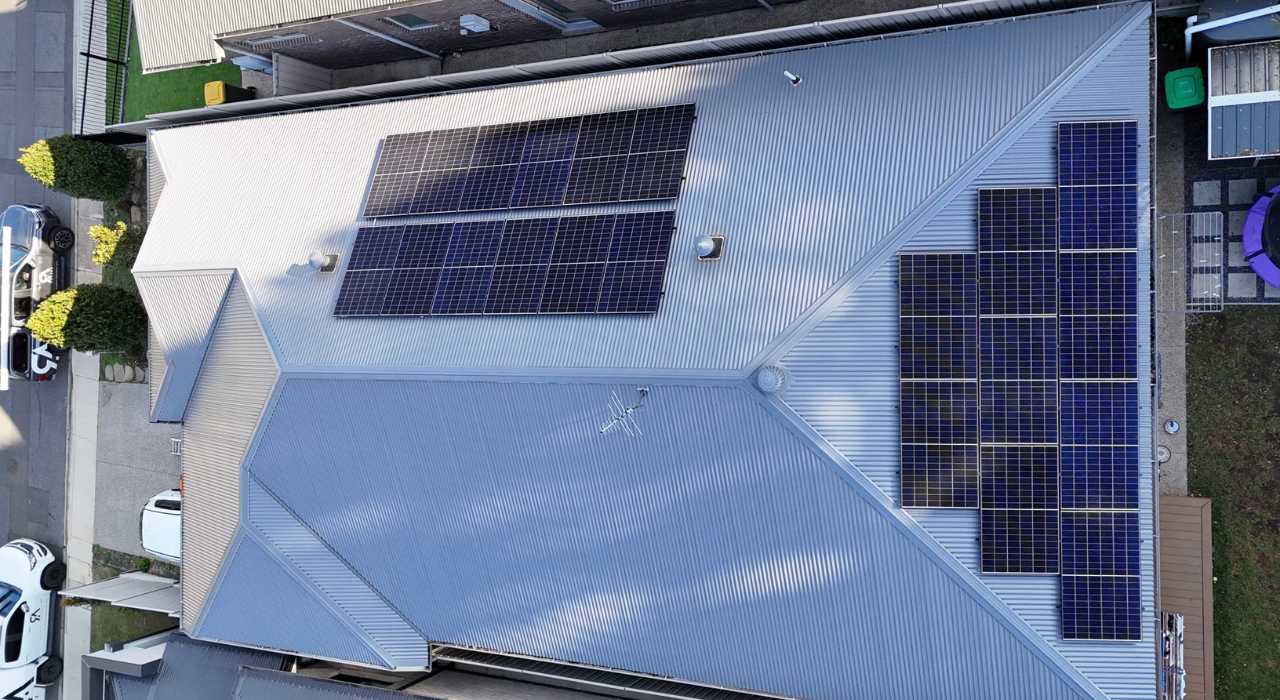
Is It Too Late to Install Solar Panels in Adelaide in 2026
Is It Too Late to Install Solar Panels in Adelaide in 2026?
If you've been thinking about installing solar but keep wondering whether you’ve missed the best time, you're not alone.
With more Adelaide homes already covered in rooftop solar, changing electricity prices, evolving feed-in tariffs and new battery incentives, it's reasonable to ask: Is it still worth installing solar panels in Adelaide in 2026?
The short answer is yes, solar can still make strong financial and practical sense for many Adelaide homeowners. But the way you get value from solar is changing. Instead of focusing only on exporting excess electricity to the grid, homeowners should think about how much of their own solar power they can use, whether a battery makes sense and how their future electricity needs may change.
Let's look at why 2026 can still be a good time to consider solar panels Adelaide homeowners can use to reduce their reliance on grid electricity.
Why Adelaide Is Still a Strong Market for Solar
South Australia is highly favourable for rooftop solar generation. The state government has identified South Australia as a region rich in solar energy, noting that many households can produce more electricity than their immediate consumption requires.
In fact, rooftop solar has become such a significant part of South Australia's electricity system that the state currently has more than 1,300 MW of installed rooftop solar capacity.
For homeowners, this means the opportunity isn't necessarily about being one of the first people to install solar. It's about designing a system that works efficiently for your household.
What Has Changed About Solar in 2026?
The solar market is different from what it was a decade ago.
In the early days of rooftop solar, homeowners could place a strong emphasis on generous feed-in tariffs. Today, retailers set their own feed-in tariff rates, and the value of exported electricity can vary between electricity plans.
This makes solar self-consumption increasingly important.
In simple terms, you're generally better off using your own solar electricity when it's being generated rather than relying on the grid and exporting large amounts of excess generation.
For example, you could use daytime solar generation to run:
- Air conditioning
- Washing machines and dishwashers
- Pool pumps
- Electric hot water systems
- Home office equipment
South Australia's Energy & Mining department specifically recommends shifting suitable appliance use into the daytime to make better use of solar generation.
Are Solar Panels Still Worth Installing in Adelaide?
For many homeowners, yes.
The financial value of solar comes primarily from reducing the amount of electricity you need to purchase from the grid.
Imagine your solar panels generate electricity during the middle of the day while your household is running appliances. That electricity can be consumed directly by your home, reducing your grid purchases.
Any unused generation may then be exported to the grid for a feed-in payment, depending on your electricity retailer and plan.
The exact savings will vary significantly between households, so it's important not to rely on generic claims about annual savings or payback periods.
The South Australian Government recommends using relevant electricity costs and feed-in tariffs when assessing the payback of solar and battery systems.
Government Support Can Still Reduce the Upfront Cost
Another reason 2026 isn't necessarily "too late" is that eligible rooftop solar systems can still benefit from the Australian Government's Small-scale Renewable Energy Scheme (SRES).
The SRES creates Small-scale Technology Certificates (STCs) for eligible rooftop solar installations. In most cases, the installer or solar retailer applies the value of the STCs as an upfront discount on the system price.
However, eligibility requirements apply. For example, the system needs to be installed by an appropriately accredited installer, and eligible panels and inverters must meet the relevant requirements.
This means homeowners should check the current incentive arrangements when requesting a quote rather than assuming a particular rebate or discount will remain unchanged.
What About Solar Batteries in 2026?
This is where the solar conversation has become particularly interesting.
A traditional rooftop solar system generates electricity during daylight hours. But many households use a significant amount of electricity in the evening when the sun isn't producing power.
A battery allows excess solar generation to be stored and used later.
And in 2026, eligible Australian households can also benefit from the Cheaper Home Batteries Program, which provides around a 30% discount on eligible small-scale battery systems under the program's current arrangements.
That doesn't mean every homeowner should immediately buy a battery.
A battery has a higher upfront cost, and whether it makes financial sense depends on factors such as your electricity consumption, when you use power, solar system size, battery cost and electricity prices.
For some Adelaide households, installing solar first and adding a battery later may be the better approach. For others, combining solar and battery storage from the beginning may make more sense.
How Much Can You Save With Solar Panels in Adelaide?
There isn't one reliable savings figure for every Adelaide home.
Your potential savings depend on:
Your Electricity Consumption
A household that uses a lot of electricity may have more opportunity to offset grid purchases with solar.
When You Use Electricity
A home that consumes electricity throughout the day can directly use more solar generation.
If your household is empty during the day and uses most of its electricity after sunset, a battery or deliberate load shifting may help you use more of your solar generation.
Your Solar System Size
Installing a system that's too small may leave you buying substantial amounts of electricity from the grid.
Installing a system that's unnecessarily large may increase your upfront cost without providing proportional financial benefits.
Your Roof
Roof orientation, available space, pitch and shading can all affect how much electricity your panels generate.
The South Australian Government recommends considering electricity needs, usage patterns, roof space, orientation and panel direction when selecting a solar PV system.
What About the New Solar Sharer Offer?
Another change worth knowing about in 2026 is the Australian Government's Solar Sharer Offer.
From 1 July 2026, eligible households in South Australia and other participating areas can access at least three hours of free electricity scheduled during the middle of the day, when solar generation is typically strongest. The offer is available to eligible households with or without rooftop solar.
For solar homeowners, this reinforces an important point: daytime electricity consumption matters.
Using electricity when solar generation is high can help households make better use of available energy, whether that electricity comes from their own panels or an eligible retail offer.
Is 2026 a Good Time to Install Solar Panels in Adelaide?
There's no need to wait for a "perfect" year to install solar.
If your household already has meaningful electricity consumption, you own your home and have a suitable roof, installing solar panels in Adelaide can still be worth considering in 2026.
However, don't rush into a purchase simply because someone says prices are going up or a rebate is ending.
Instead, look at the numbers for your own property.
Consider:
- Your current electricity bills
- Your average daily electricity consumption
- How much electricity you use during the day
- Your roof's orientation and available space
- Shading
- Your future EV or appliance plans
- Whether you want a battery
- Current electricity tariffs
- Available government incentives
- The quality and warranty of the proposed equipment
- The installer's accreditation and experience
How to Choose the Right Solar Installer
Choosing the right solar installer can be just as important as choosing the right equipment.
The Australian Government recommends checking the retailer or installer carefully and ensuring the system is installed by an appropriately accredited installer if you want to access applicable SRES incentives.
Don't compare quotes based purely on the number of panels or the cheapest price.
Ask about:
- Panel and inverter brands
- Product warranties
- Installation workmanship
- System design
- Monitoring
- After-sales support
- Maintenance
- Expected system performance
- Grid connection requirements
A professional installer should assess your property and electricity consumption before recommending a system.
Why Choose AR Energy for Solar Panels in Adelaide?
If you're considering solar panels homeowners can rely on, AR Energy provides residential solar solutions designed around individual household requirements.
Rather than treating every home as the same, a professional solar assessment should consider your electricity usage, roof characteristics, available space and future energy needs. This can help you choose a system that is appropriately sized for your property rather than simply selecting the largest or cheapest package.
AR Energy also provides battery storage and EV charging solutions, allowing Adelaide homeowners to plan for a more complete home energy setup as their needs evolve.
Whether you're looking to reduce your electricity bills, make better use of Adelaide's abundant sunshine or prepare your home for future electric appliances, getting the system design right is more important than simply installing solar as quickly as possible.
Final Verdict: Is It Too Late for Solar in Adelaide?
No—2026 is not too late to install solar panels in Adelaide.
In fact, the growing focus on self-consumption, battery storage, EV charging and smarter electricity use means solar is becoming part of a broader home energy strategy.
The key is to stop thinking of solar as simply a way to earn money by exporting electricity.
Instead, think about how your home can generate, use and store more of its own energy.
If your home has suitable roof space and your electricity bills are significant, it's worth getting a personalised solar assessment and comparing the numbers.
The best time to install solar isn't necessarily when everyone else did. It's when the system makes sense for your home's energy needs, budget and long-term plans.
FAQs
Is it still worth installing solar panels in Adelaide in 2026?
For many homeowners, yes. Adelaide has strong solar resources, and solar can reduce the amount of electricity purchased from the grid. Your actual financial benefit depends on system cost, energy usage, self-consumption, electricity prices and export arrangements.
Do solar panels work well in Adelaide?
Yes. South Australia has strong solar resources, making rooftop solar a popular option for households. Actual generation depends on system design, panel orientation, shading, weather and other site conditions.
Should I install solar or a battery first?
It depends on your household. Solar panels generate electricity during the day, while batteries store excess generation for later use. Comparing the upfront cost and expected savings of both options can help determine the right approach.
How do I know what size solar system my Adelaide home needs?
Start by reviewing your electricity bills and looking at your daily and seasonal consumption. You should also consider daytime usage, roof space, orientation, shading and future energy needs such as EV charging or electric appliances.
Contributors
.jpg)


Ready to make the switch to sustainable enegery?
Contact AR Energy for a free consultation and start your journey towards energy independence today!