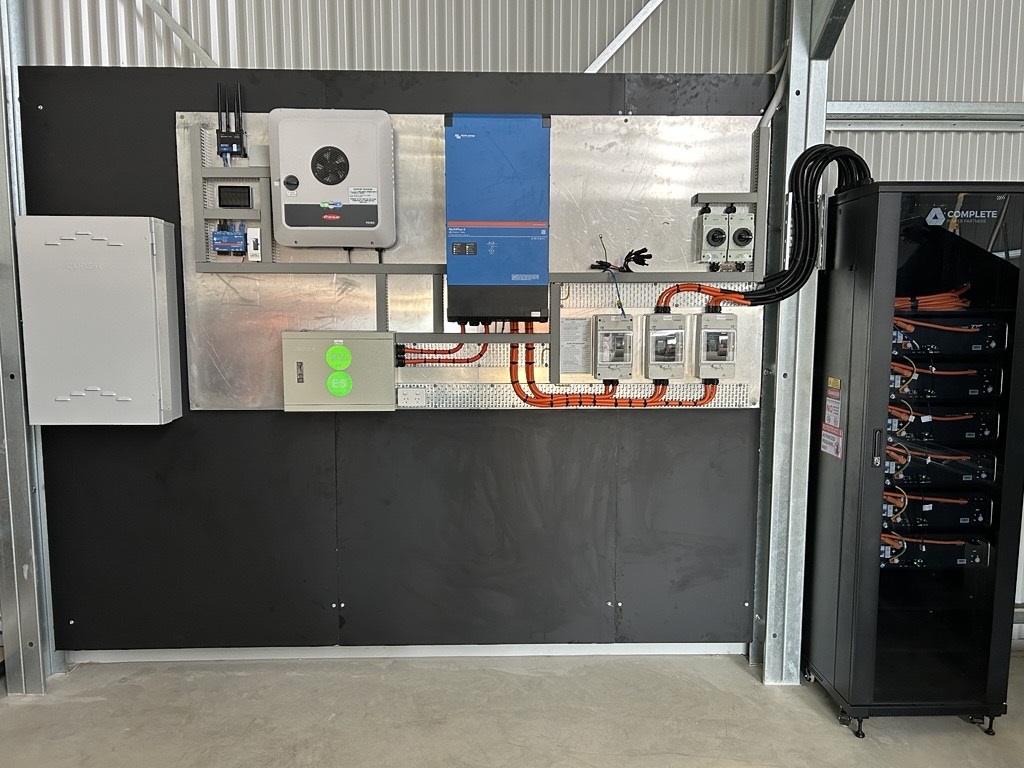
4 Common Battery Backup Myths Homeowners Need to Stop Believing
Solar battery storage has become one of the most talked-about upgrades for Australian homes. With rising electricity prices, more frequent blackouts in some regions, and growing interest in energy independence; batteries are no longer a niche product — they’re a serious household investment.
But despite the growing popularity of solar batteries, there’s still a lot of confusion. Homeowners often hear mixed messages online, from neighbours, or from outdated information that doesn’t reflect how modern battery systems work in 2025.
So let’s clear things up. Here are four common battery backup myths Australian homeowners need to stop believing — and what you should know instead.
Myth #1: “Solar batteries are only useful during blackouts”
Yes, solar batteries provide backup power during outages — and that’s a huge benefit. But blackouts are only one part of the story.
In reality, most battery systems deliver value every day by helping households use more of their own solar energy. Without a battery, excess solar power generated during the day is exported to the grid for a low feed-in tariff. When the sun goes down, you buy electricity back from the grid at a much higher rate.
The battery changes that. It stores surplus solar energy during the day so you can use it at night. That means:
- lower energy bills
- reduced peak-hour electricity use
- improved solar self-consumption
- less reliance on the grid year-round
So even if you never experience a blackout, a battery can still provide real financial benefits. Backup power is just the bonus.
Myth #2: “Batteries aren’t worth it because the payback is too long”
This myth comes from older pricing and outdated assumptions. While it’s true that battery payback varies, the “batteries are never worth it” argument isn’t accurate anymore.
Battery ROI depends on:
- your household’s evening energy use
- your electricity tariff (especially time-of-use plans)
- solar system size and export levels
- whether you use major loads at night (like air conditioning)
- available incentives and rebates
For many Australian households, batteries can significantly reduce grid usage during expensive peak hours. That often leads to meaningful savings — especially as electricity prices keep increasing.
Also, ROI isn’t just measured in dollars. Batteries add value through:
- blackout protection
- comfort and reliability
- energy independence
- future-ready technology (smart tariffs, VPPs)
Instead of asking “Will it pay back fast?”, a better question is:
“Will this give my household more control over energy costs for the next 10–15 years?”
For many families, the answer is yes.
Myth #3: “You need a huge battery to make it work”
Many homeowners believe batteries only make sense if you buy a large, expensive unit — but that’s not true.
Most households don’t need full-home backup or massive storage. In fact, right-sizing is the key to getting the best value. A correctly sized battery system focuses on powering essential loads and covering evening peak usage — which is where the biggest savings usually come from.
Here’s a simple guide:
- 5–10 kWh battery: Great for smaller homes with moderate evening usage
- 10–15 kWh battery: Ideal for most family homes
- 15+ kWh battery: Suits large homes, heavy usage, or bigger ducted air con loads
A smaller battery can still deliver strong results when paired with a well-sized solar system and smart energy habits. Buying the biggest battery isn’t always the best financial move — matching the battery to your usage is.
Myth #4: “Cheap battery deals are basically the same as premium systems”
This is one of the most expensive myths homeowners can believe.
Not all batteries are built the same. While cheap systems may look good upfront, they can come with hidden costs — lower performance, shorter lifespan, limited support, or warranty complications.
Things to watch out for:
- poor-quality cells with faster degradation
- limited monitoring and safety features
- weak warranty coverage (or hard-to-claim warranties)
- lack of local Australian support
- compatibility issues with inverters
Also, some cheap packages include mismatched inverter and battery sizing — meaning the battery can’t charge or discharge fast enough to deliver expected savings. On paper it looks great, but in real use it underperforms.
When buying solar battery storage, quality matters. A reliable brand with a strong warranty and proper installation gives you better performance and peace of mind long-term.
The Truth About Battery Backup in 2026
In 2026, battery technology is more advanced than ever. Systems are safer, smarter, and more flexible — with improved monitoring, stronger warranties, and better integration with solar and smart home devices.
The real truth is:
- batteries aren’t just for blackouts
- they can reduce energy bills when sized and used correctly
- you don’t need massive storage to see benefits
- cheap deals can be costly if poorly designed
Battery backup is not a one-size-fits-all solution — but for many Australian homeowners, it’s becoming one of the best upgrades for comfort, savings, and long-term energy control.
AR Energy — Helping Australian Homes Choose the Right Battery Setup
At AR Energy, we help homeowners make smart battery decisions — not rushed ones. Our team designs battery and solar systems based on your household usage, goals, and budget.
We focus on what matters:
- proper system sizing
- safe, high-quality products
- reliable warranties and support
- long-term performance and savings
If you’re considering battery backup, AR Energy can guide you toward a setup that truly suits your home — without the myths, confusion, or sales pressure.
Final Thoughts
Solar batteries are one of the most powerful tools Australian homeowners can use to take control of energy costs and reduce reliance on the grid. But misinformation still holds many families back — or pushes them into the wrong battery decision.
By understanding these common myths and the truth behind them, you can make a smarter choice for your home, your comfort, and your long-term savings.
If you’re ready to explore battery backup properly, start with facts — not assumptions.
Contributors



Ready to make the switch to sustainable enegery?
Contact AR Energy for a free consultation and start your journey towards energy independence today!