
How to Stop Your EV from Draining Your Solar Battery Overnight
Electric vehicles (EVs) are becoming increasingly popular across Australia. They’re cleaner, quieter, and far cheaper to run compared to petrol or diesel cars. At the same time, many homeowners are installing solar panels and battery storage to power their homes more sustainably.
But when these two technologies meet, a common problem can arise: your EV charging overnight may drain your solar battery faster than expected.
For households that rely on battery storage to reduce grid use or provide backup power, this can be frustrating. The good news is that with the right settings and charging habits, you can prevent your EV from consuming all your stored solar energy overnight.
Here’s what homeowners should know.
Why EV Charging Can Drain Your Solar Battery
Solar batteries store excess energy generated during the day so your home can use it after sunset.
When you plug in your EV at night, the charging system often draws power from whatever energy source is available first. If your solar battery is connected to the home’s energy system, the EV charger may automatically pull energy from it before using grid electricity.
Because EV charging requires a significant amount of power, it can quickly consume the battery’s stored energy.
For example, charging an EV overnight might require 10–20 kWh of electricity, which can easily exceed the capacity of many residential batteries.
Why This Can Be a Problem
Using battery energy to charge your EV might seem efficient at first, but it can create several issues:
- Your home may run out of stored power overnight
- You may lose backup power during outages
- The battery may cycle more frequently, reducing lifespan over time
- Grid electricity may still be required later in the night
In many cases, homeowners prefer to reserve their battery energy for household needs instead of vehicle charging.
1. Schedule EV Charging During Daytime Solar Production
The simplest way to avoid draining your battery is to charge your EV during the day when solar panels are producing electricity.
Charging during daylight hours means:
- your car uses solar energy directly
- the battery remains fully charged for nighttime use
- you reduce reliance on grid electricity
If your vehicle is parked at home during the day — such as during weekends or work-from-home days — this approach can dramatically improve energy efficiency.
Many EV chargers allow scheduling so charging starts automatically during solar production hours.
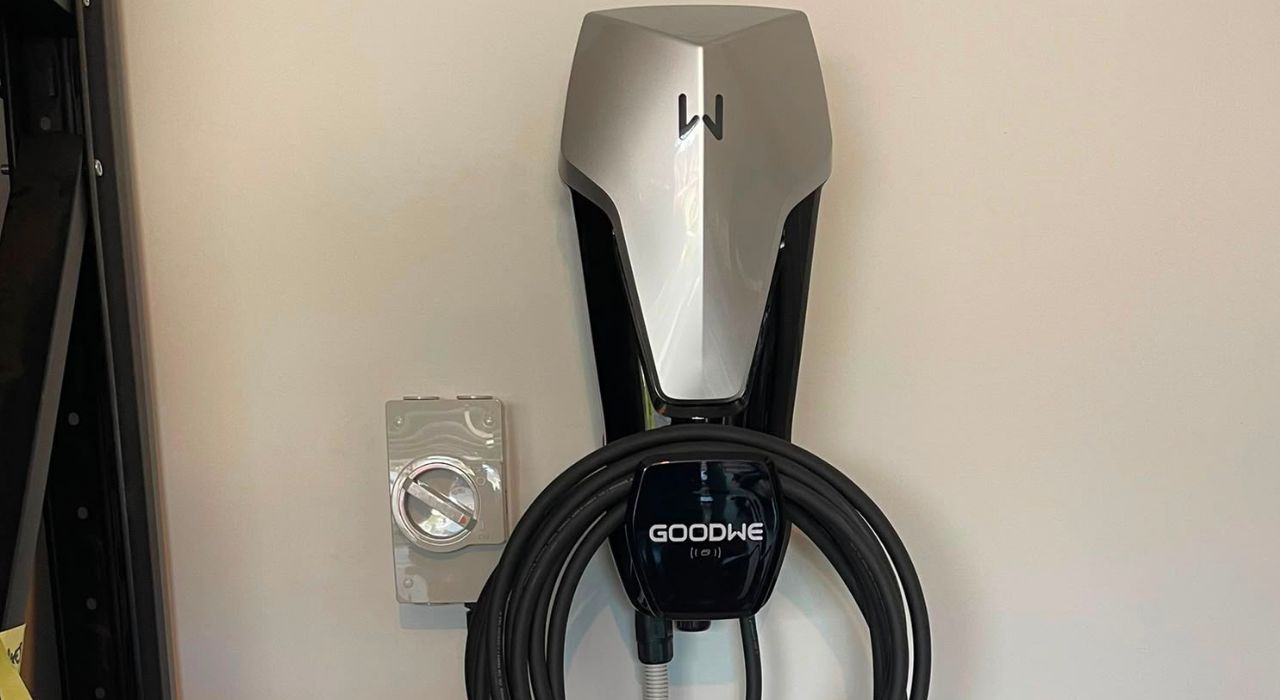
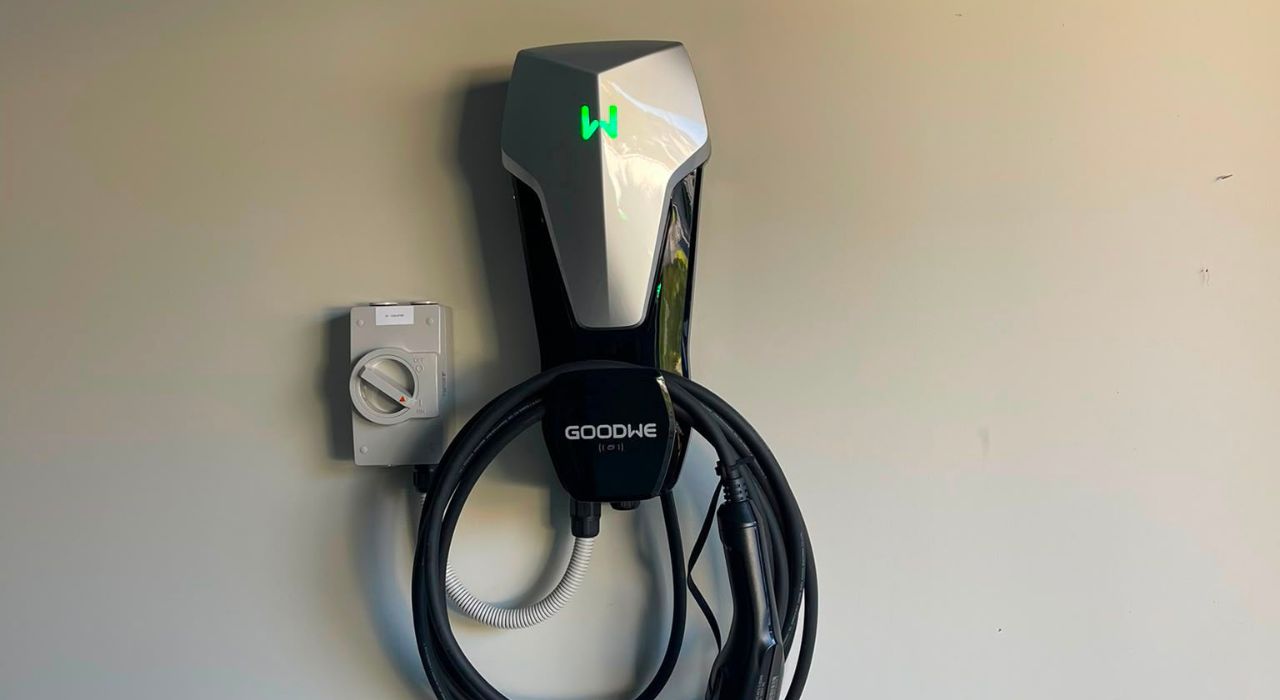
2. Use Smart EV Chargers
Smart EV chargers are designed to integrate with solar systems. These chargers can automatically adjust charging speed depending on how much solar energy is available.
Instead of drawing power from your battery, they prioritise excess solar generation first.
Key smart charger features include:
- solar-only charging modes
- adjustable charging speeds
- scheduling based on solar production
- mobile app monitoring
With the right charger, your EV becomes part of a coordinated energy system rather than competing with your home battery.
3. Adjust Battery Settings and Priorities
Some solar battery systems allow homeowners to set energy priorities. This means you can control whether battery energy is used for household loads, EV charging, or backup reserves.
For example, you may choose to:
- reserve a minimum battery percentage overnight
- prevent EV charging from accessing stored battery energy
- prioritise household consumption first
These settings depend on the specific inverter and battery system installed, so it’s worth reviewing the configuration with your installer.
4. Charge Using Off-Peak Electricity Instead
If daytime charging isn’t possible, off-peak electricity plans can help reduce costs. Many Australian energy providers offer lower rates overnight.
By scheduling EV charging during off-peak hours and preventing battery discharge, you can:
- preserve solar battery energy
- reduce charging costs
- maintain backup power availability
This approach combines smart tariff management with solar energy optimisation.
5. Monitor Your Energy Usage
Energy monitoring apps linked to your solar system can reveal exactly how electricity flows between your home, battery, and EV charger.
Monitoring allows homeowners to:
- see when the battery discharges
- track EV charging patterns
- adjust settings if energy use is unbalanced
Understanding your energy usage is often the first step toward solving the problem effectively.
6. Consider System Sizing for Future EV Use
If EV ownership is part of your long-term plan, it’s worth considering energy demand when designing or upgrading a solar system.
Homes with EVs often benefit from:
- larger solar systems
- additional battery capacity
- dedicated EV charging infrastructure
Planning ahead ensures your system can support both household energy needs and vehicle charging without compromise.
AR Energy — Helping Australian Homes Balance Solar, Batteries, and EVs
At AR Energy, we help homeowners integrate solar, battery storage, and EV charging into one efficient energy system. Our team designs smart solutions that ensure your battery storage supports your home while still allowing convenient vehicle charging.
With the right setup, you can power both your home and your car using clean energy — without draining your battery overnight.
Final Thoughts
Electric vehicles and solar batteries are both powerful tools for reducing energy costs and emissions. However, without proper charging strategies, EVs can quickly drain stored solar energy overnight.
By using smart chargers, adjusting system settings, scheduling daytime charging, and monitoring energy use, homeowners can keep their battery storage protected while still enjoying the benefits of EV ownership.
When managed correctly, solar, batteries, and EVs work together to create a cleaner, more efficient home energy system.
Contributors


Ready to make the switch to sustainable enegery?
Contact AR Energy for a free consultation and start your journey towards energy independence today!