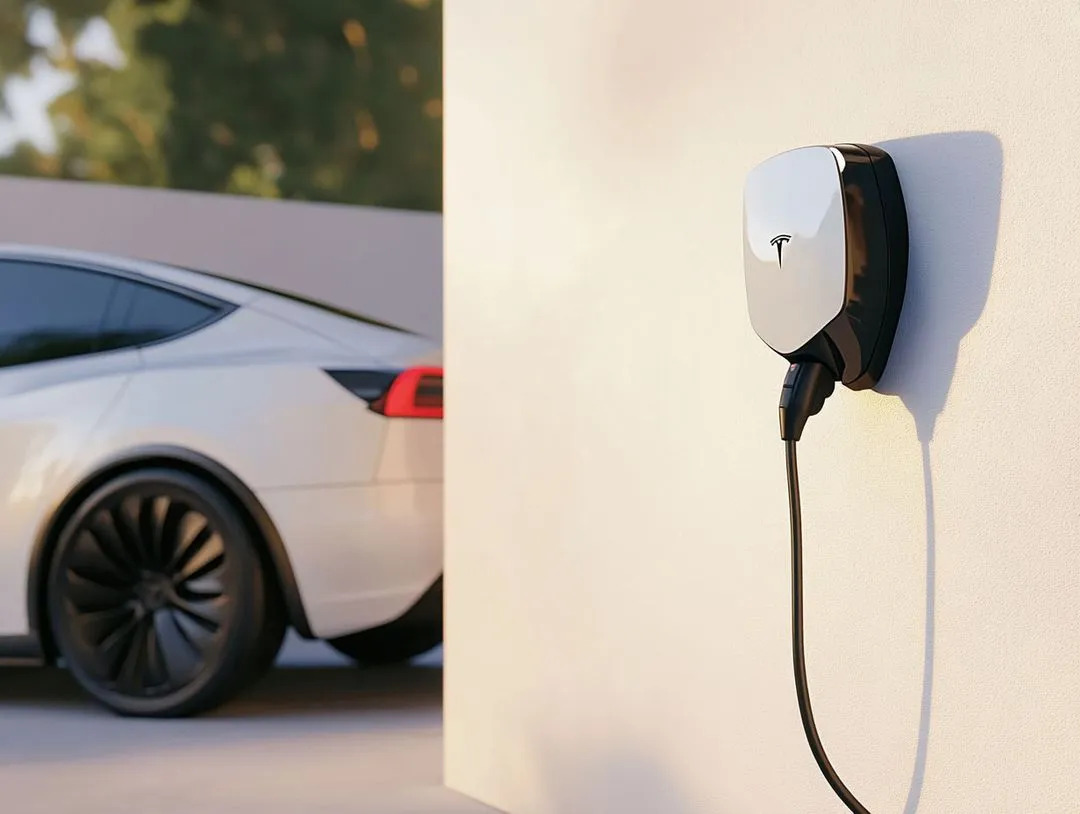
EV Charger Installation Adelaide — Everything You Need to Know
Electric vehicles are becoming increasingly common across South Australia, and Adelaide homeowners are leading the shift. As more people move away from petrol cars, one question keeps coming up: Should you install an EV charger at home?
While you can charge an electric vehicle using a standard power outlet, a dedicated charger is faster, safer, and far more convenient. If you're considering EV charger installation Adelaide, this guide covers everything you need to know — from charger types and costs to solar integration and installation requirements.
Why Install an EV Charger at Home?
Home charging is the most convenient way to power your EV. Instead of relying on public charging stations, you can simply plug in your car overnight or during the day.
Benefits of installing a home EV charger include:
- Faster charging compared to standard outlets
- Greater convenience and reliability
- Improved safety and electrical protection
- Ability to schedule charging times
- Better integration with solar systems
For most EV owners, home charging becomes the primary way they keep their vehicle powered.
Can You Charge Your EV Without Installing a Charger?
Yes, but it’s not ideal. Most EVs include a cable that plugs into a regular power outlet. While this works, it comes with limitations:
- Much slower charging speeds
- Increased load on household circuits
- Limited smart features
- Less efficient energy use
A dedicated EV charger is designed specifically for vehicle charging and offers better performance and safety.
Types of EV Chargers for Adelaide Homes
When planning EV charger installation in Adelaide, you’ll typically choose between two main options.
Level 1 Charging (Standard Power Outlet)
- Uses regular household outlet
- Slow charging (overnight or longer)
- Minimal installation required
- Best for very low daily driving
This option is suitable for occasional charging but not ideal for regular use.
Level 2 Home EV Charger (Recommended)
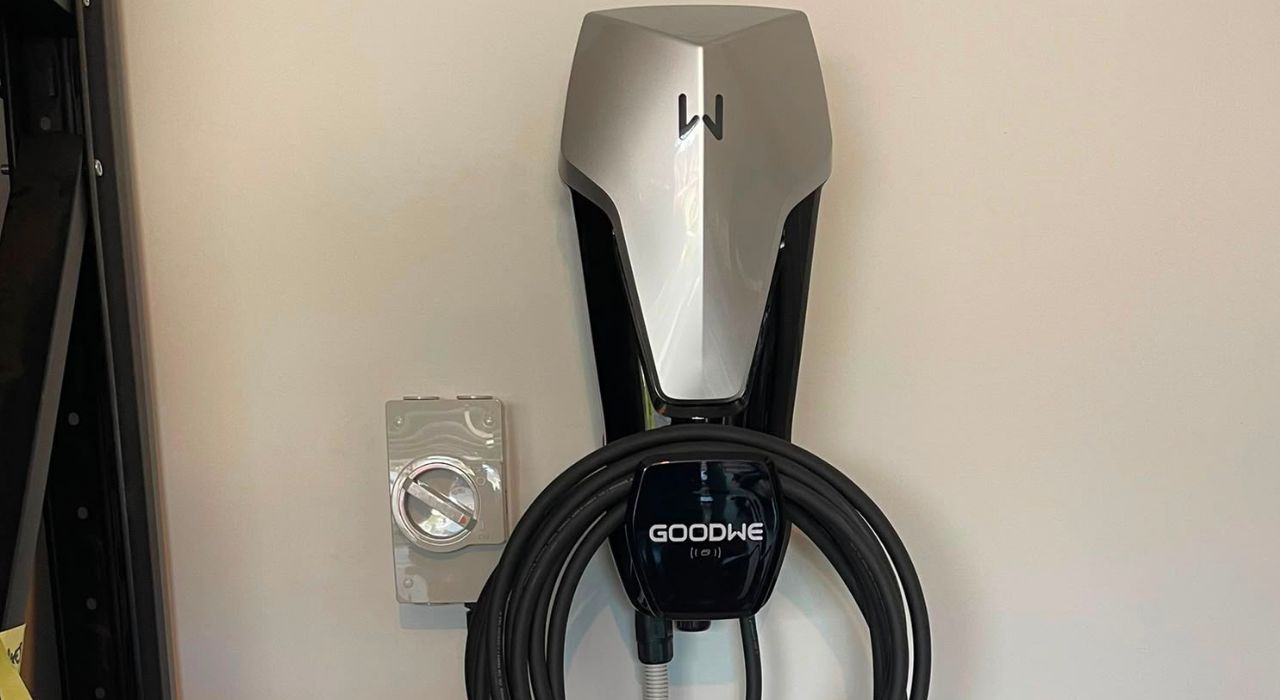
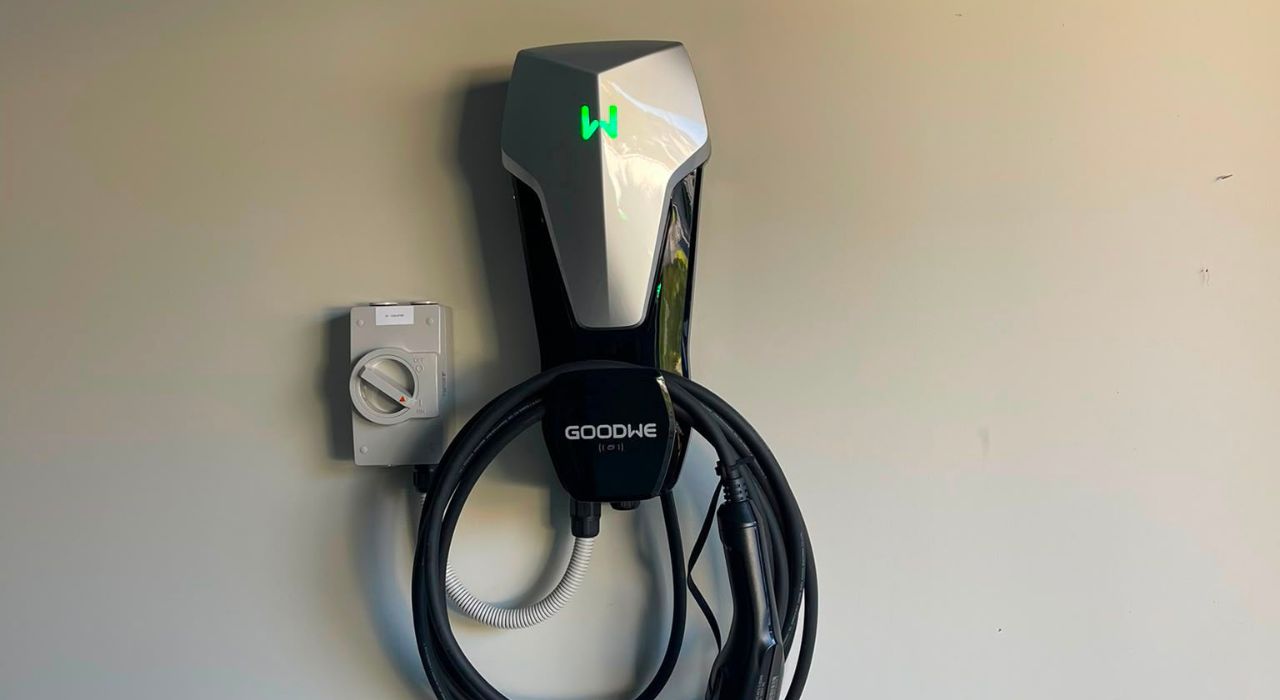
- Dedicated wall-mounted charger
- Much faster charging
- Smart scheduling features
- Safer and more efficient
Most Adelaide homeowners choose Level 2 chargers because they provide reliable overnight charging.
How Fast Can an EV Charger Charge?
Charging speed depends on the charger type and your home’s electrical capacity.
Typical Level 2 home chargers can:
- Add 30–50 km of range per hour (approx.)
- Fully charge most EVs overnight
- Adjust charging speed as needed
This means you can plug in your car at night and wake up to a fully charged vehicle.
EV Charger Installation Adelaide — What’s Involved?
Installing an EV charger is straightforward when handled by a licensed electrician. The process usually includes:
- Electrical assessment of your home
- Checking switchboard capacity
- Installing dedicated circuit
- Mounting charger on wall
- Testing and commissioning
Most installations are completed within a few hours, depending on complexity.
Do You Need to Upgrade Your Switchboard?
Some homes may require switchboard upgrades before installing an EV charger. This depends on:
- Existing electrical load
- Solar system presence
- Air conditioning usage
- Available circuit space
A professional installer will assess your setup and recommend any upgrades if needed.
Can You Use Solar to Charge Your EV?
Yes — and this is one of the biggest advantages of installing a home charger.
If you already have solar panels, you can charge your EV using excess solar energy during the day. This helps:
- Reduce charging costs
- Increase solar self-consumption
- Lower reliance on grid electricity
Smart EV chargers can even prioritise solar energy automatically.
Smart EV Chargers: What They Do
Modern chargers include smart features that improve efficiency and convenience. These may include:
- App-based monitoring
- Charging schedules
- Solar-only charging mode
- Load balancing
- Energy usage tracking
These features allow you to optimise charging and control costs.
How Much Does an EV Charger Installation Cost?
Costs vary depending on:
- Charger type
- Cable length
- Switchboard upgrades
- Installation complexity
A basic installation is usually more affordable, while complex setups requiring upgrades may cost more.
While it’s an upfront investment, many homeowners see value in convenience, faster charging, and solar integration.
Choosing the Right Location for Your Charger
Most chargers are installed in:
- Garage walls
- Carports
- Driveways near parking areas
Your installer will recommend a safe and practical location based on:
- Cable access
- Weather protection
- Parking layout
- Electrical connection
Proper placement ensures easy daily use.
Do You Need Approval to Install an EV Charger?
For most residential installations, formal council approval isn’t required. However, installations must:
- Be completed by licensed electricians
- Meet Australian electrical standards
- Follow safety requirements
This ensures safe and compliant operation.
Preparing Your Home for the Future
Even if you don’t own an EV yet, installing a charger now can future-proof your home.
Benefits include:
- Increased property appeal
- Readiness for future EV purchase
- Support for multiple EVs later
- Integration with solar and batteries
As EV adoption grows, home charging infrastructure is becoming increasingly valuable.
Common Mistakes to Avoid
When planning EV charger installation Adelaide, avoid these common pitfalls:
Choosing the Cheapest Charger
Low-cost chargers may lack smart features or reliability.
Ignoring Solar Compatibility
If you have solar, choose a charger that integrates properly.
Installing in the Wrong Location
Convenience matters — think about daily use.
Not Planning for Future Needs
Consider whether you may add another EV later.
EV Chargers and Battery Storage
Some homeowners also combine EV chargers with battery storage. This allows:
- Charging at night using stored solar
- Reduced peak electricity use
- Greater energy independence
While not essential, this combination offers added flexibility.
AR Energy — EV Charger Installation Experts in Adelaide
At AR Energy, we help Adelaide homeowners install smart, reliable EV charging solutions. Our team assesses your home, commercial spaces recommends the right charger, and ensures safe, compliant installation.
Whether you’re charging with solar, planning for future EV ownership, or upgrading your energy setup, AR Energy delivers tailored solutions that make EV ownership simple and convenient.
Final Thoughts
Electric vehicles are changing how Australians think about transport — and home charging is a key part of that shift. A dedicated EV charger provides faster charging, greater convenience, and better integration with solar energy.
If you're considering EV charger installation, choosing the right system and installer ensures long-term performance and ease of use.
With the right setup, you can power your vehicle at home, reduce running costs, and prepare your household for the future of transport.
Contributors
.jpg)

Ready to make the switch to sustainable enegery?
Contact AR Energy for a free consultation and start your journey towards energy independence today!