EV Charging in Rain: Is It Really Safe
Electric vehicles (EVs) are becoming increasingly common across Australia, and with more public and home charging stations being installed, many drivers are asking an important question:
Can you safely charge an electric vehicle in the rain?
It's a reasonable concern. After all, electricity and water don't usually mix. Seeing your EV charger exposed to rain can naturally make you hesitant about plugging in your vehicle.
The good news is that modern EV charging systems are specifically designed with safety in mind. Whether you're charging at home or using a public charging station, EV charging in wet weather is generally safe when the equipment is properly installed and used as intended.
In this guide, we'll explain how EV chargers are designed to handle rain, the safety features that protect users, and the best practices every Australian EV owner should follow.
Is It Safe to Charge an Electric Vehicle in the Rain?
Yes. In normal conditions, EV charging in the rain is completely safe.
Manufacturers design electric vehicles and charging equipment to operate outdoors, where they are regularly exposed to:
- Rain
- Humidity
- Wind
- Heat
- Dust
Charging connectors are engineered to prevent electricity from flowing until a secure connection has been established between the charger and the vehicle.
This means you're not handling live electrical contacts when plugging in your EV.
Why Water Doesn't Create a Safety Risk
Many people assume that because water conducts electricity, charging an EV outdoors must be dangerous.
In reality, modern charging systems include multiple layers of protection.
Before electricity begins flowing:
- The charger checks the connection.
- The vehicle communicates with the charger.
- Safety systems confirm everything is functioning correctly.
Only then does charging begin.
If anything appears abnormal, charging simply won't start.
How EV Chargers Are Designed for Australian Conditions
Most EV chargers sold in Australia are built to withstand outdoor environments.
They are manufactured with weather-resistant enclosures that protect internal electrical components from:
- Rain
- Dust
- UV exposure
- Moisture
- Temperature changes
Many chargers also carry an IP (Ingress Protection) rating, which indicates how well the unit resists water and dust.
Choosing a quality charger with an appropriate IP rating is essential for long-term reliability.
Built-In Safety Features of Modern EV Chargers
Modern chargers include several important safety features that help protect both users and vehicles.
These may include:
Residual Current Protection (RCD)
This helps disconnect power immediately if an electrical fault is detected.
Ground Fault Protection
The charger continuously checks for abnormal electrical conditions.
If a fault occurs, charging automatically stops.
Temperature Monitoring
Some chargers monitor internal temperatures and reduce charging speed if overheating occurs.
Automatic Power Shut-Off
Electricity only flows after the charger confirms a secure connection.
These safety systems work together to make charging safe—even in wet weather.
Is It Safe to Plug In an EV with Wet Hands?
While EV charging systems are designed with safety features, it's always best practice to avoid handling electrical equipment with excessively wet hands.
If your hands are damp from rain, this generally isn't a problem.
However, if they're soaked, drying them first is a sensible precaution.
Simple habits like this contribute to safer charging every day.
Can You Leave Your EV Charging During Heavy Rain?
Yes.
Once charging has started correctly, it's perfectly acceptable to leave your EV charging during rain.
The charger, cable, and vehicle are designed to remain safely connected throughout the charging session.
There's no need to disconnect your vehicle simply because the weather changes.
Home EV Chargers vs Public Charging Stations
Both home and public chargers are designed for outdoor use, but there are some differences.
Home EV Chargers
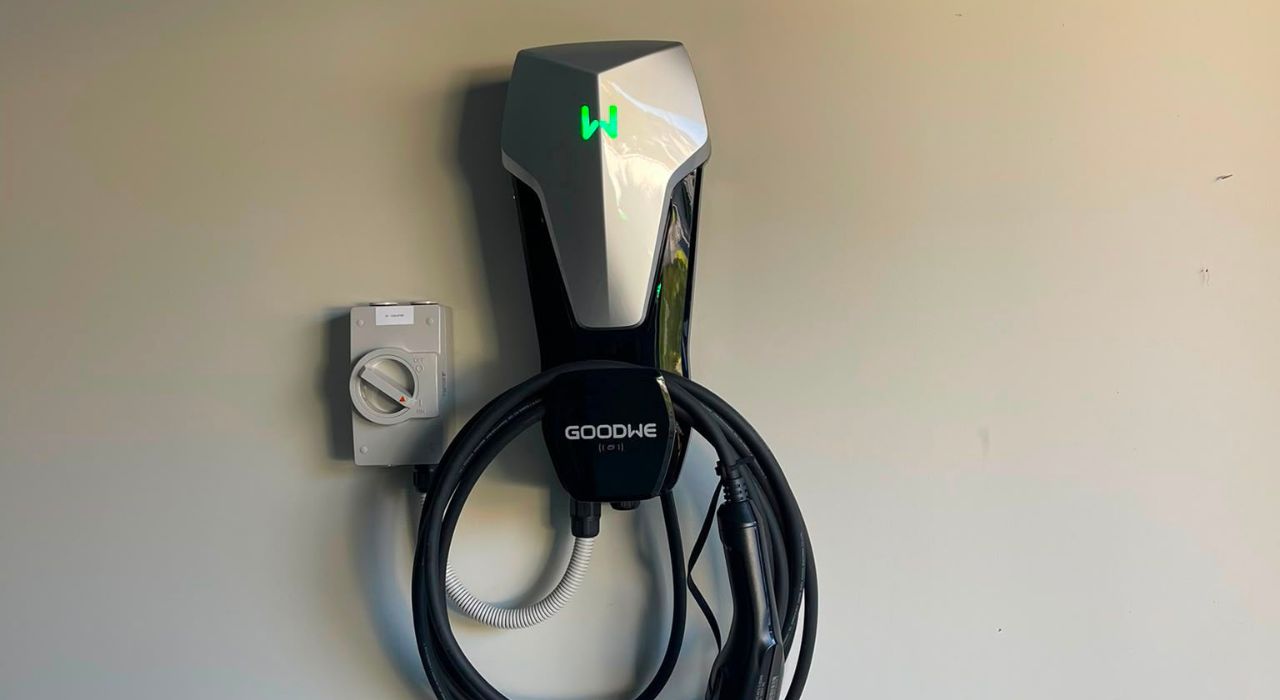
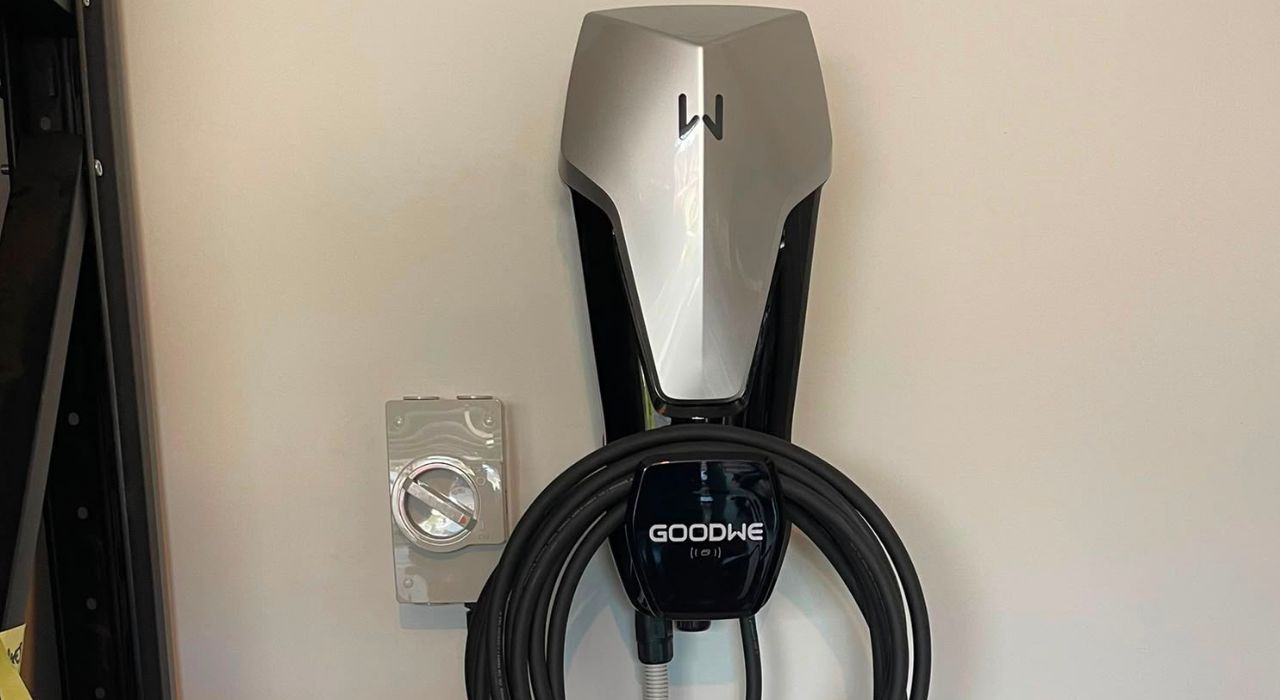
A professionally installed home EV charger is permanently mounted and connected to your home's electrical system.
Many homeowners choose to install chargers:
- Inside garages
- Under carports
- On external walls
Even when exposed to rain, professionally installed chargers are built for Australian weather conditions.
Public Charging Stations
Public charging stations are specifically designed for continuous outdoor operation.
They are regularly exposed to:
- Rain
- Storms
- Heat
- Heavy daily usage
If weather posed a significant safety risk, these chargers simply wouldn't be approved for public use.
Common Mistakes to Avoid When Charging in Wet Weather
Although charging in the rain is safe, there are still a few mistakes to avoid.
Use Only Approved Charging Equipment
Avoid cheap or unapproved charging products.
Always use chargers that comply with Australian safety standards.
Inspect Charging Cables
Before charging, check for:
- Damaged cables
- Cracked connectors
- Exposed wiring
If anything appears damaged, stop using the charger and contact a qualified electrician.
Don't Use Household Extension Leads
Standard extension cords should never be used for EV charging.
Dedicated EV charging equipment is specifically designed to safely handle the higher electrical loads required.
Keep Connectors Clean
Before plugging in, quickly check the connector for:
- Dirt
- Mud
- Standing water
- Debris
Clean connectors ensure a secure charging connection.
Why Professional Installation Matters
One of the biggest factors affecting EV charging safety isn't the weather—it's the quality of the installation.
A professionally installed EV charger ensures:
- Correct circuit protection
- Proper earthing
- Compliance with Australian Standards
- Safe cable management
- Reliable long-term operation
Professional installers also assess your home's electrical capacity to ensure the charger operates safely.
The Benefits of Charging at Home
Installing a dedicated home charger offers several advantages beyond convenience.
Home charging provides:
- Faster charging than a standard power outlet
- Greater charging efficiency
- Improved safety
- Lower charging costs when paired with solar
- Convenient overnight charging
Many Australian homeowners are now combining solar panels with EV chargers to power their vehicles using renewable energy generated during the day.
EV Charging and Solar: A Perfect Combination
As solar adoption continues to grow, many homeowners are integrating EV charging with their solar systems.
By charging your vehicle using excess solar energy, you can:
- Reduce electricity costs
- Increase solar self-consumption
- Lower your carbon footprint
- Make better use of renewable energy
Adding battery storage can further extend these benefits by allowing stored solar energy to charge your EV after sunset.
Why Choose AR Energy for EV Charger Installation?
Installing an EV charger is about more than convenience—it's about ensuring your charging system is safe, efficient, and built to last.
At AR Energy, we help homeowners across South Australia install high-quality EV charging solutions that integrate seamlessly with solar and battery storage systems.
Why homeowners trust AR Energy:
✔ 10,000+ installations across SA and WA
✔ 3,000+ battery installations
✔ 4× SunWiz Award Winners (2026)
✔ 4.9-star rating on SolarQuotes (200+ reviews)
✔ CEC Accredited Retailer
Whether you're installing your first EV charger or upgrading your home's energy system, our experienced team can recommend a solution tailored to your needs.
Final Thoughts
So, is EV charging in the rain really safe?
Absolutely. Modern electric vehicles and charging systems are engineered with multiple safety features that allow them to operate safely in wet weather.
The key is using quality charging equipment, having it professionally installed, and following basic safety practices such as checking cables for damage and keeping connectors clean.
As more Australians make the switch to electric vehicles, understanding how your charging system works will help you charge confidently—rain or shine.
👉 Ready to Install a Smart EV Charger?
Book a free consultation with AR Energy today.
Our experts can help you choose the right EV charging solution for your home, ensuring safe installation, reliable performance, and seamless integration with your solar energy system.
FAQs
Is it safe to charge an electric vehicle in the rain?
Yes. EV charging is designed to be safe in wet weather. Modern EV chargers and electric vehicles include built-in safety systems that prevent electricity from flowing until a secure connection is established. As long as your charger is installed correctly and the equipment is undamaged, charging in the rain is perfectly safe.
Can my EV charger stay outside in the rain?
Yes. Most EV chargers are specifically designed for outdoor installation and are built with weather-resistant enclosures and IP-rated protection against rain, dust, and harsh Australian weather conditions. Always choose a charger that meets Australian safety standards and is installed by a qualified electrician.
Can I use solar power to charge my electric vehicle at home?
Absolutely. Pairing an electric vehicle with a home solar system is one of the most cost-effective ways to charge your EV. By using excess solar energy during the day—or stored energy from a solar battery—you can reduce charging costs, lower your electricity bills, and maximise your renewable energy usage.
Contributors
.jpg)

Ready to make the switch to sustainable enegery?
Contact AR Energy for a free consultation and start your journey towards energy independence today!