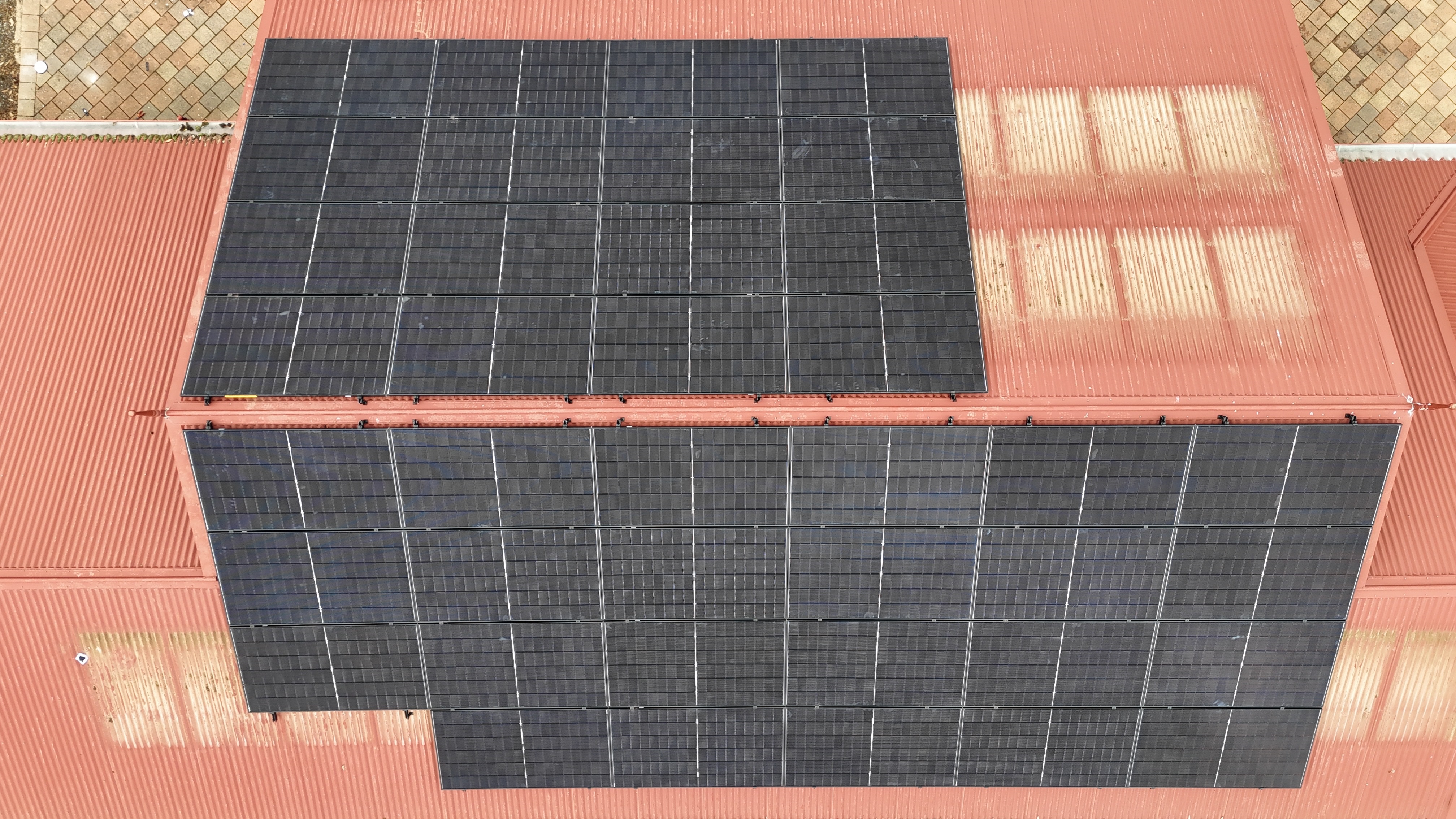
Everything You Need to Know Before Installing a Commercial Off-Grid Solar System
For many Australian businesses, reliable electricity is essential to daily operations. Whether you're running a farm, winery, mining site, remote accommodation, manufacturing facility, or regional business, power interruptions and rising electricity costs can have a significant impact on productivity and profitability.
This is why more businesses are considering a Commercial Off Grid Solar System. Rather than relying on the electricity network, an off-grid system allows your business to generate, store, and use its own renewable energy—providing greater energy independence and long-term cost savings.
However, going completely off-grid is a major decision. It requires careful planning, the right equipment, and an experienced installation partner.
Here's everything Australian businesses should know before investing in an Off Grid Solar System.
What Is a Commercial Off-Grid Solar System?
A Commercial Off Grid Solar System is a self-contained power solution that operates independently of the electricity grid.
Unlike standard grid-connected solar systems, off-grid systems combine several components to ensure a continuous power supply, including:
- Solar panels
- Battery storage
- Hybrid or off-grid inverter
- Battery management system
- Backup generator (if required)
- Energy monitoring software
Together, these components provide reliable electricity throughout the day and night, even in remote locations without access to the grid.
Why Businesses Are Choosing Off-Grid Solar
Across Australia, businesses are making the switch for several reasons.
Rising Electricity Costs
Commercial electricity prices continue to increase, making energy one of the largest operating expenses for many businesses.
Generating your own electricity helps reduce exposure to future price rises while providing greater cost certainty.
Remote Business Locations
Many farms, mining operations, tourism businesses, and rural facilities are located far from existing electricity infrastructure.
Connecting these properties to the grid can be extremely expensive.
In many cases, installing a Commercial Off Grid Solar System is more economical than paying for new power lines or network upgrades.
Energy Security
Power outages can disrupt business operations, damage equipment, and reduce productivity.
An off-grid solar system with battery storage allows businesses to continue operating even when grid electricity isn't available.
This level of energy security is particularly valuable for businesses operating in regional and remote Australia.
How Does an Off-Grid Solar System Work?
During daylight hours, solar panels generate electricity.
That energy is used to power the business first.
Any excess electricity charges the battery system.
When solar production drops—such as at night or during cloudy weather—the batteries provide stored electricity to keep the business running.
If battery levels become too low during extended periods of poor weather, some commercial systems automatically start a backup generator to maintain uninterrupted power.
This combination ensures reliable electricity throughout the year.
Is Off-Grid Solar Right for Every Business?
Not necessarily.
An Off Grid Solar System is generally best suited for businesses that:
- Operate in remote areas
- Have unreliable grid access
- Face extremely high electricity connection costs
- Want complete energy independence
- Have sufficient space for solar panels and batteries
Businesses already connected to a reliable grid may achieve better financial outcomes with a grid-connected commercial solar system combined with battery storage.
A professional energy assessment is essential before making a decision.
The Importance of Battery Storage
Battery storage is one of the most important parts of any commercial off-grid system.
Without batteries, solar panels would only generate electricity during daylight hours.
A properly sized battery system allows businesses to:
- Operate overnight
- Continue working during cloudy conditions
- Improve energy reliability
- Reduce generator use
- Store excess solar production
Choosing the right battery capacity is critical to ensuring uninterrupted business operations.
Sizing Your Commercial Off-Grid Solar System
Every business has different energy requirements.
System size depends on several factors, including:
Daily Energy Consumption
Understanding how much electricity your business uses each day is the starting point.
Large commercial facilities require significantly larger systems than smaller operations.
Peak Energy Demand
Some businesses use large amounts of electricity for short periods.
Equipment such as machinery, irrigation pumps, refrigeration systems, and industrial equipment all affect system design.
Seasonal Energy Use
Businesses like farms, wineries, and tourism operators often experience seasonal variations in electricity demand.
A well-designed system accounts for these fluctuations.
Future Growth
It's important to consider future expansion.
If your business plans to add new equipment, electric vehicle charging, or additional buildings, your off-grid system should allow room for growth.
Benefits of a Commercial Off-Grid Solar System
A professionally designed system offers several long-term advantages.
Lower Long-Term Energy Costs
Although installation requires upfront investment, generating your own electricity significantly reduces ongoing energy expenses over the system's lifetime.
Greater Energy Independence
Businesses become less dependent on electricity retailers and changing energy prices.
This provides greater control over operating costs.
Improved Business Continuity
Battery storage and backup systems reduce downtime caused by power outages.
This is especially valuable for operations where continuous power is essential.
Reduced Carbon Emissions
Solar energy helps businesses lower their environmental impact and meet sustainability goals.
For organisations focused on ESG initiatives, an off-grid solar system demonstrates a strong commitment to renewable energy.
Common Mistakes to Avoid
Before investing in an off-grid system, avoid these common mistakes:
Underestimating Energy Usage
Choosing a system that's too small can lead to frequent generator use and reduced performance.
Focusing Only on Price
The cheapest system isn't always the best.
High-quality panels, batteries, and inverters often deliver better long-term value.
Ignoring Battery Capacity
Battery storage should be carefully matched to business operations.
Insufficient storage limits system effectiveness.
Choosing an Inexperienced Installer
Commercial off-grid projects are highly specialised.
Work with an experienced installer who understands commercial energy requirements and can design a system tailored to your business.
Why Professional System Design Matters
Unlike residential solar systems, commercial off-grid projects require detailed engineering and planning.
Professional design considers:
- Solar resource analysis
- Battery sizing
- Electrical loads
- Backup power requirements
- Future expansion
- Safety compliance
A customised design ensures your business receives a reliable system that performs efficiently for decades.
Why Businesses Choose AR Energy
At AR Energy, we design and install commercial solar solutions tailored to the unique energy needs of Australian businesses.
Whether you're powering a remote farm, regional warehouse, commercial facility, or industrial site, our team develops systems focused on reliability, performance, and long-term savings.
Why partner with AR Energy?
✔ 10,000+ installations across SA and WA
✔ 3,000+ battery installs
✔ 4× SunWiz Award Winners (2026)
✔ 4.9-star rating on SolarQuotes (200+ reviews)
✔ CEC Accredited Retailer
We don't believe in one-size-fits-all systems. Every commercial off-grid project is carefully designed to match your operational requirements, helping your business achieve reliable, sustainable energy for years to come.
Final Thoughts
A Commercial Off Grid Solar System is more than an alternative power source—it's a long-term investment in your business's future.
For businesses operating in remote areas or seeking complete energy independence, off-grid solar can reduce operating costs, improve reliability, and provide protection against rising electricity prices.
The key to success is choosing the right system size, investing in quality battery storage, and working with an experienced commercial solar provider.
With the right design and installation, an Off Grid Solar System can deliver dependable renewable energy for decades while supporting your business's growth and sustainability goals.
👉 Ready to Explore a Commercial Off-Grid Solar System?
Whether you're planning a new off-grid project or replacing expensive diesel generators, AR Energy can help.
Book a free commercial energy consultation today and let our experts design a customised off-grid solar solution that keeps your business powered—wherever you operate.
FAQs
1. What is a Commercial Off Grid Solar System, and how does it work?
A Commercial Off Grid Solar System generates electricity using solar panels and stores excess energy in batteries for use when the sun isn't shining. Unlike grid-connected systems, it operates independently of the electricity network, making it an ideal solution for remote businesses, farms, industrial sites, and commercial properties seeking reliable, self-sufficient power.
2. Is an Off Grid Solar System suitable for every commercial business?
Not always. An Off Grid Solar System is best suited for businesses in remote locations, areas with unreliable grid access, or properties where connecting to the electricity network is expensive. A professional energy assessment can determine whether an off-grid or grid-connected commercial solar system is the best option for your business.
3. How do I choose the right Commercial Off Grid Solar System for my business?
Choosing the right Commercial Off Grid Solar System depends on your daily energy consumption, peak electricity demand, battery storage requirements, and future business growth. Working with an experienced commercial solar installer ensures your system is properly designed to deliver reliable performance, long-term savings, and energy independence.
Contributors
.jpg)

Ready to make the switch to sustainable enegery?
Contact AR Energy for a free consultation and start your journey towards energy independence today!