
Farm Solar in South Australia: A Complete Beginner’s Guide
Running a farm in South Australia isn’t getting any cheaper — especially when it comes to energy. From irrigation pumps and cold storage to machinery and workshops, electricity is a major ongoing cost. And with power prices often sitting around 35–40 cents per kWh, those costs can quickly add up.
That’s why more farmers are turning to farm solar in South Australia — not just to cut costs, but to gain control over their energy.
If you’re new to solar or just starting to explore your options, this guide will walk you through everything you need to know in simple, practical terms.
What Is Farm Solar and How Does It Work?
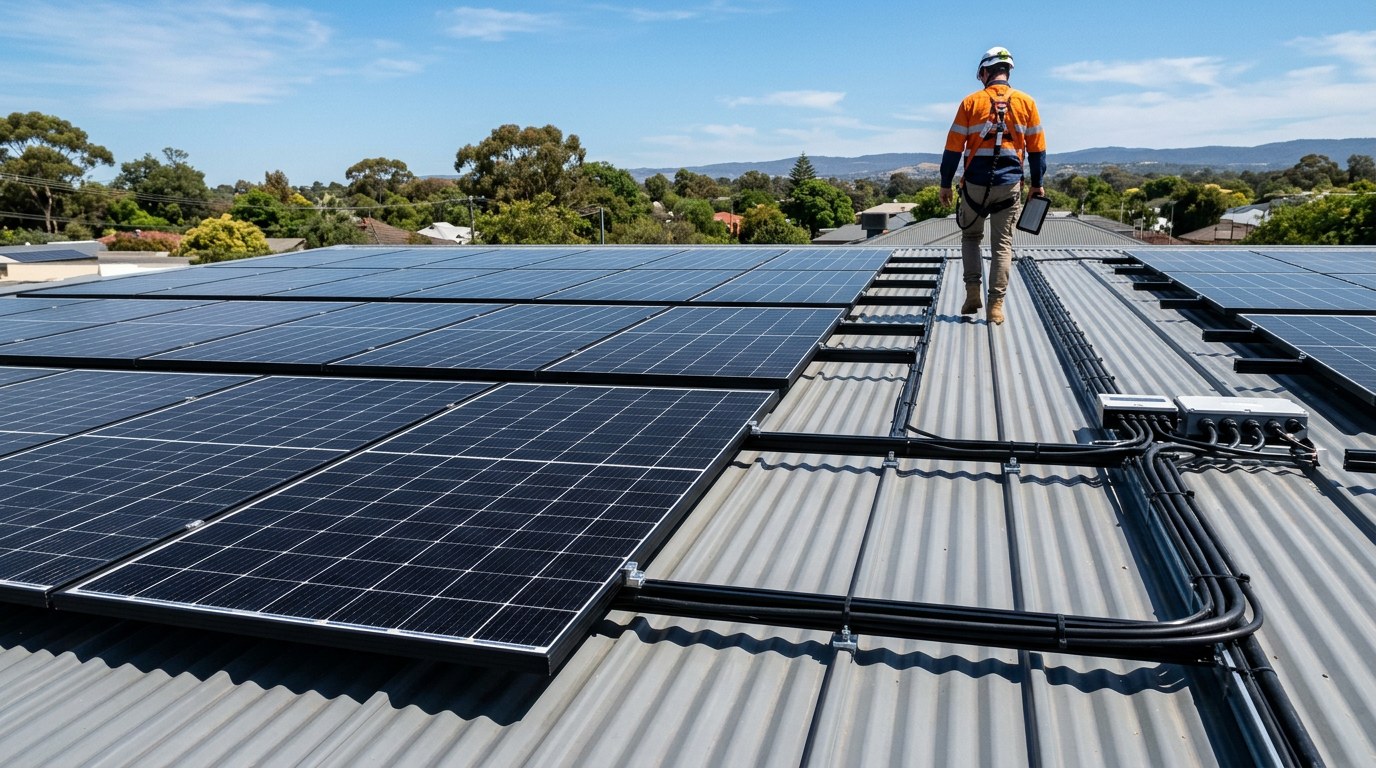
Farm solar is simply a solar power system designed to meet the energy needs of agricultural operations. It works the same way as residential solar but is usually larger and tailored to suit farm usage patterns.
Here’s how it works:
- Solar panels generate electricity during the day
- Your farm uses that energy to run equipment and operations
- Any excess energy can be stored in batteries or exported to the grid
For many farms, the biggest advantage is using solar energy during the day — exactly when operations like irrigation or processing are running.
Why Farm Solar Makes Sense in South Australia
South Australia has some of the best solar conditions in the country. Long sunny days and strong solar output make it an ideal location for solar energy.
But beyond the weather, there are practical reasons farmers are making the switch:
Rising Electricity Costs
Energy prices continue to increase, making it harder to manage operating expenses. Solar helps reduce reliance on the grid.
High Daytime Energy Use
Farms typically use the most electricity during daylight hours — which aligns perfectly with solar production.
Long-Term Savings
Once installed, solar systems can significantly reduce energy bills for years to come.
What Can Solar Power on a Farm?
Farm solar systems are versatile and can support a wide range of operations, including:
- Irrigation systems and water pumps
- Dairy equipment and processing units
- Cold storage and refrigeration
- Workshops and machinery
- Lighting and general farm operations
Because farms often have consistent and predictable energy usage, solar systems can be designed to match demand efficiently.
Types of Solar Systems for Farms
Choosing the right system depends on your location and energy needs.
Grid-Connected Systems
- Connected to the electricity network
- Lower upfront cost
- Can export excess energy
Off-Grid Systems
- Fully independent from the grid
- Ideal for remote farms
- Requires battery storage
Hybrid Systems
- Combines solar, battery, and grid connection
- Offers flexibility and backup power
For many farms in South Australia, hybrid systems are becoming the most popular option because they balance cost, reliability, and independence.
Do You Need Battery Storage?
Battery storage isn’t always essential, but it can be highly beneficial depending on your setup.
A battery allows you to:
- Store excess solar energy
- Use power at night or during cloudy days
- Reduce reliance on the grid
- Maintain power during outages
For farms with critical operations or unreliable grid access, batteries can provide peace of mind and added reliability.
How Much Does Farm Solar Cost?
The cost of farm solar in South Australia depends on several factors, including:
- System size
- Equipment quality
- Installation complexity
- Whether battery storage is included
While the upfront investment can be significant, many farms see strong returns over time through reduced electricity costs.
In some cases, the savings can offset a large portion of operating expenses — especially for energy-intensive operations.
How to Choose the Right System Size
One of the most important decisions is choosing the right system size.
A system that’s too small won’t meet your needs, while one that’s too large may not deliver the best return.
A good solar provider will:
- Analyse your energy usage
- Identify peak demand times
- Design a system that matches your operations
Proper sizing ensures your system performs efficiently and delivers maximum value.
Common Mistakes to Avoid
If you’re new to solar, here are a few common mistakes to watch out for:
Choosing Based on Price Alone
Cheaper systems may use lower-quality components that don’t last as long.
Not Planning for Future Growth
Your energy needs may increase over time — especially with new equipment or expansion.
Ignoring Maintenance
Regular monitoring and occasional cleaning help keep your system performing well.
Working with Inexperienced Installers
Farm solar requires specific expertise. Choosing the right installer is critical.
Why More SA Farmers Are Making the Switch
Across South Australia, farm owners are realising that solar isn’t just an upgrade — it’s a long-term strategy.
It helps:
- Reduce operating costs
- Improve energy reliability
- Protect against rising electricity prices
- Support sustainable farming practices
For many, it’s about taking control of one of their biggest expenses.
Why Choose AR Energy for Farm Solar?
As recipients of four SunWiz Awards 2026—including the Top 10 Solar Installations in SA—and with over 10,000 installations completed, AR Energy is one of Adelaide's most trusted solar companies. We understand the unique energy needs of farms across South Australia.
We design systems that are built for real-world conditions — whether you’re running irrigation systems, cold storage, or large-scale operations.
Our approach focuses on:
- Tailored system design
- Reliable, high-quality components
- Long-term performance and savings
We don’t just install solar — we build energy solutions that work for your farm.
Final Thoughts
Farm solar in South Australia is becoming one of the smartest investments for agricultural businesses. With rising energy costs and strong solar conditions, the opportunity to save money and improve efficiency has never been better.
Whether you’re running a small property or a large operation, the right solar system can deliver long-term value and greater control over your energy.
👉 Ready to Explore Farm Solar?
Book a free consultation with AR Energy today — no pressure, just honest advice tailored to your farm.
FAQs
1. How much can farms save with farm solar in South Australia?
Savings from farm solar in South Australia depend on system size and energy usage, but many farms can significantly reduce electricity costs — especially with power prices around 35–40c per kWh. Over time, solar can offset a large portion of operating expenses, making it a strong long-term investment.
2. Is farm solar suitable for all types of agricultural businesses?
Yes, farm solar in South Australia can be designed for a wide range of operations, including dairy farms, vineyards, irrigation systems, and cold storage facilities. A properly sized system ensures it meets the specific energy demands of your farm.
3. Do I need battery storage for farm solar systems?
Battery storage isn’t always required, but it can improve the performance of farm solar by storing excess energy for use at night or during outages. It’s especially useful for farms with critical operations or limited grid reliability.
Contributors
.jpg)


Ready to make the switch to sustainable eneRGy?
Contact AR Energy for a free consultation and start your journey towards energy independence today!