
How Fuel Price Spikes Are Accelerating EV Adoption in Australia
Fuel prices in Australia have always fluctuated, but in recent years, sharp spikes have become more frequent — and more painful for everyday households. For many homeowners, especially those commuting regularly or managing family transport needs, petrol costs are no longer predictable or affordable.
This growing uncertainty is one of the key reasons more Australians are turning to electric vehicles (EVs). What was once seen as a future technology is now becoming a practical, cost-saving solution for everyday driving.
Let’s explore how rising fuel prices are accelerating EV adoption across Australia — and why this shift is likely to continue.
The Real Impact of Fuel Price Spikes
When fuel prices surge, the effect is immediate. Unlike many other household expenses, petrol costs are paid frequently — often weekly.
For a typical household, this can mean:
- significantly higher monthly transport costs
- reduced disposable income
- difficulty budgeting for everyday expenses
Even small price increases per litre can add up quickly over time, especially for families with multiple vehicles or long commutes.
These spikes create a strong incentive to look for alternatives that offer more predictable running costs.
EVs Offer More Stable Running Costs
One of the biggest advantages of EVs is cost stability. Electricity prices may fluctuate, but they tend to be more predictable than fuel prices — especially when paired with solar power.
Charging an EV at home is generally much cheaper per kilometre than filling a petrol tank. Over time, this difference becomes substantial.
Instead of worrying about weekly fuel price changes, EV owners can plan their energy use more effectively, particularly if they generate their own power through solar panels.
Solar + EV: A Powerful Combination
For Australian homeowners, the shift to EVs becomes even more appealing when combined with rooftop solar.
Solar panels generate electricity during the day, which can be used to charge an EV at little to no additional cost. This creates a powerful synergy:
- your home produces clean energy
- your car runs on that energy
- your reliance on petrol drops significantly
During summer, when solar production is highest, many households can cover a large portion of their EV charging needs directly from the sun.
This combination not only reduces costs but also increases energy independence.
Rising Awareness of Long-Term Savings
Fuel price spikes often act as a trigger for homeowners to reassess long-term costs. While EVs may have a higher upfront price compared to traditional vehicles, the ongoing savings are becoming harder to ignore.
Key savings areas include:
- lower fuel (charging) costs
- reduced maintenance (fewer moving parts)
- fewer oil changes and servicing requirements
When viewed over several years, EV ownership can become more cost-effective than petrol vehicles — especially during periods of high fuel prices.
Government Support and Incentives
Across Australia, various incentives are helping accelerate EV adoption. While programs vary by state, they may include:
- rebates or discounts on EV purchases
- reduced registration fees
- stamp duty exemptions
- investment in charging infrastructure
These initiatives make EVs more accessible and help offset initial costs, making the transition easier for homeowners.
Expanding Charging Infrastructure
Another factor supporting EV adoption is the growth of charging infrastructure across Australia. Public charging stations are becoming more common in cities, along highways, and in regional areas.
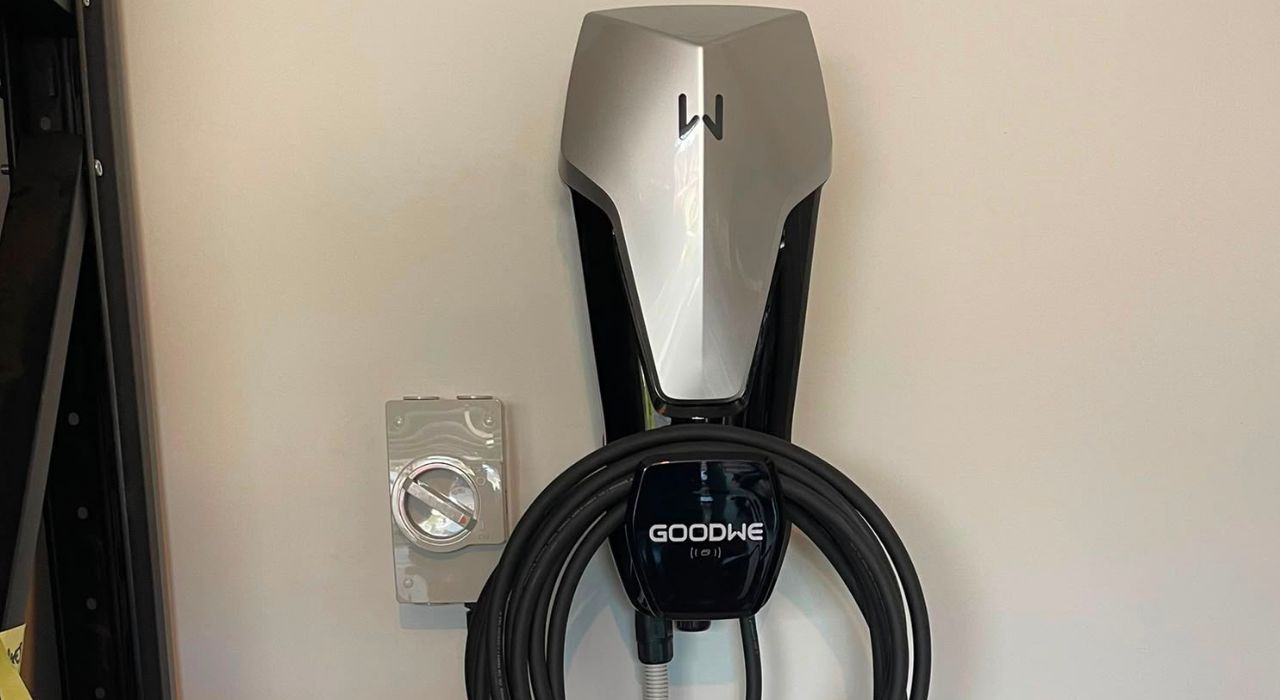
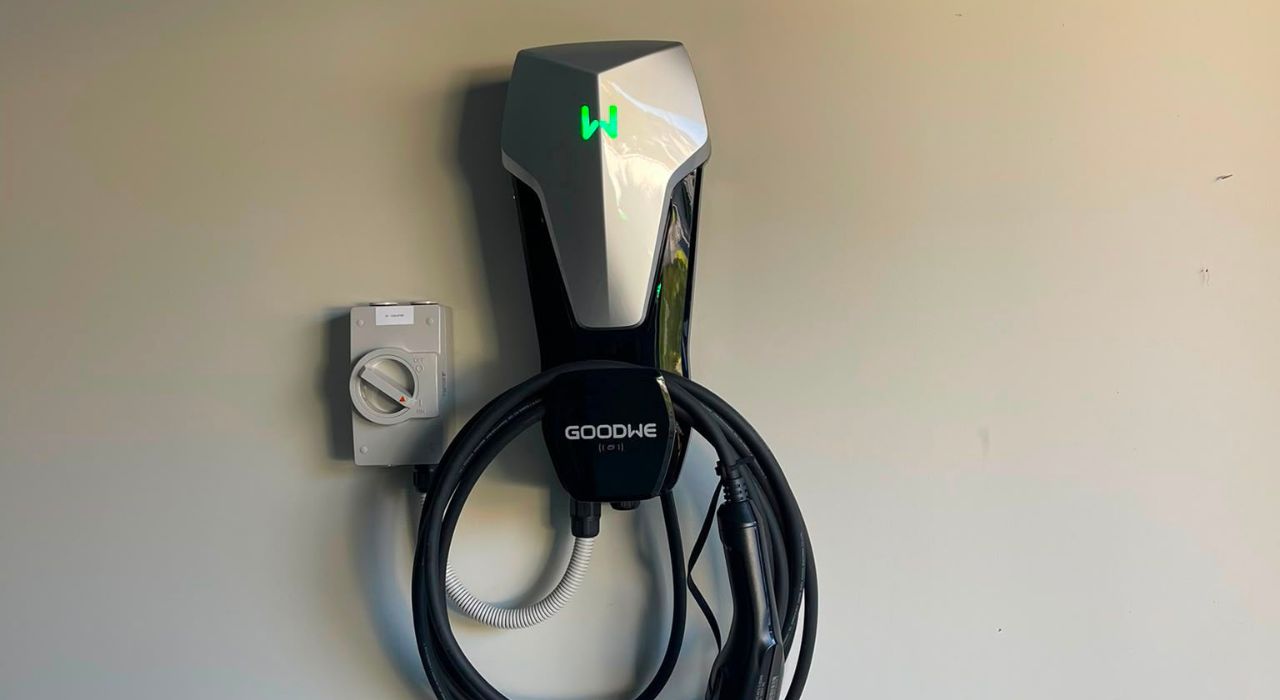
At the same time, home charging remains the most convenient option for most households. Installing a dedicated EV charger allows homeowners to:
- charge overnight or during solar hours
- avoid reliance on public charging networks
- manage energy use more efficiently
As infrastructure improves, range anxiety becomes less of a concern, encouraging more drivers to make the switch.
Environmental Awareness Is Growing
While cost is a major driver, environmental concerns also play a role. Many Australians are becoming more conscious of their carbon footprint and looking for ways to reduce emissions.
EVs produce zero tailpipe emissions, and when powered by solar energy, they offer one of the cleanest forms of transport available.
For homeowners already investing in solar, adding an EV is a natural next step toward a more sustainable lifestyle.
Fuel Price Volatility Is Likely to Continue
One of the key reasons EV adoptions is accelerating is the unpredictability of fuel markets. Global events, supply disruptions, and economic factors can all influence petrol prices.
This volatility makes it difficult for households to plan long-term budgets. EVs, on the other hand, provide a level of control by shifting reliance from global fuel markets to locally generated or purchased electricity.
As more people seek stability in their expenses, EV adoption is expected to grow further.
AR Energy — Supporting the Future of Solar and EV Living
At AR Energy, we help Australian homeowners prepare for the future of energy. From solar system design to EV charger integration, our solutions are built to support modern households looking to reduce costs and increase independence.
Whether you’re considering solar, battery storage, or EV charging, AR Energy ensures your system is ready to meet your evolving energy needs.
Final Thoughts
Fuel price spikes are more than just a short-term inconvenience — they’re accelerating a long-term shift in how Australians think about transport and energy.
Electric vehicles offer a practical alternative with lower running costs, especially when paired with solar power. As fuel prices remain unpredictable, more homeowners are choosing EVs as a way to take control of their expenses and reduce reliance on petrol.
For Australian households, the message is clear: the future of transport isn’t just electric — it’s increasingly powered by the sun.
Contributors
.jpg)

Ready to make the switch to sustainable enegery?
Contact AR Energy for a free consultation and start your journey towards energy independence today!