How Smart Scheduling Can Help You Beat Free Electricity Caps
“Free electricity” offers are becoming more common across Australia. Energy retailers promote plans with free power during certain hours — often in the middle of the day when solar generation is high or demand is lower. On the surface, it sounds like an easy way to cut your energy bill.
But there’s a catch many homeowners discover too late: free electricity usually comes with usage caps or limited time windows. If you don’t use that free energy wisely, you miss out on the benefit.
This is where smart scheduling comes in. By timing when your home uses energy, you can make the most of those free periods, reduce grid costs, and get more value from your electricity plan.
What Are Free Electricity Caps?
Some Australian energy plans offer “free” power for a set number of hours each day — often 2 to 4 hours in off-peak times like late morning or early afternoon.
However, these offers often include conditions such as:
- daily usage limits
- maximum load thresholds
- only certain times qualifying
- higher rates outside free periods
If your energy use spills outside those free windows, you pay normal — sometimes higher — rates. That’s why simply being on a free electricity plan doesn’t automatically mean big savings.
Why Timing Matters More Than Ever
Electricity pricing is increasingly time-based. Energy retailers encourage households to shift demand away from peak periods when the grid is under stress.
Smart scheduling means running your biggest appliances when electricity is cheapest — or free. It’s about matching your usage to the pricing structure, not just reducing consumption overall.
For many homes, the biggest energy loads are flexible and can be shifted without inconvenience.
Appliances That Work Best With Smart Scheduling
Not every appliance needs to run at a specific time. Many can be scheduled during free electricity windows, including:
- Dishwashers
- Washing machines and dryers
- Pool pumps
- Electric hot water systems
- EV chargers
- Air conditioning pre-cooling
These appliances account for a large portion of household energy use, so moving them into free or off-peak periods can make a noticeable difference.
Using Timers and Smart Devices
Modern homes make scheduling easier than ever. Many appliances already include delay-start timers. Smart plugs, home automation systems, and energy management apps can also help you automate usage.
For example:
- Set the dishwasher to run at 11am instead of 8pm
- Schedule your EV to charge during free electricity hours
- Run the pool pump when power costs nothing
- Heat water during the day instead of overnight
Once set up, these habits run automatically in the background.
Pre-Cooling and Pre-Heating Your Home
Heating and cooling are some of the biggest energy expenses. If your plan offers free power during the day, you can “pre-condition” your home while electricity costs nothing.
This means cooling your home before peak evening hours, so the system works less later when power is expensive. The same applies to heating in winter.
Pre-conditioning improves comfort while reducing reliance on costly peak electricity.
How Solar Systems Add Even More Advantage
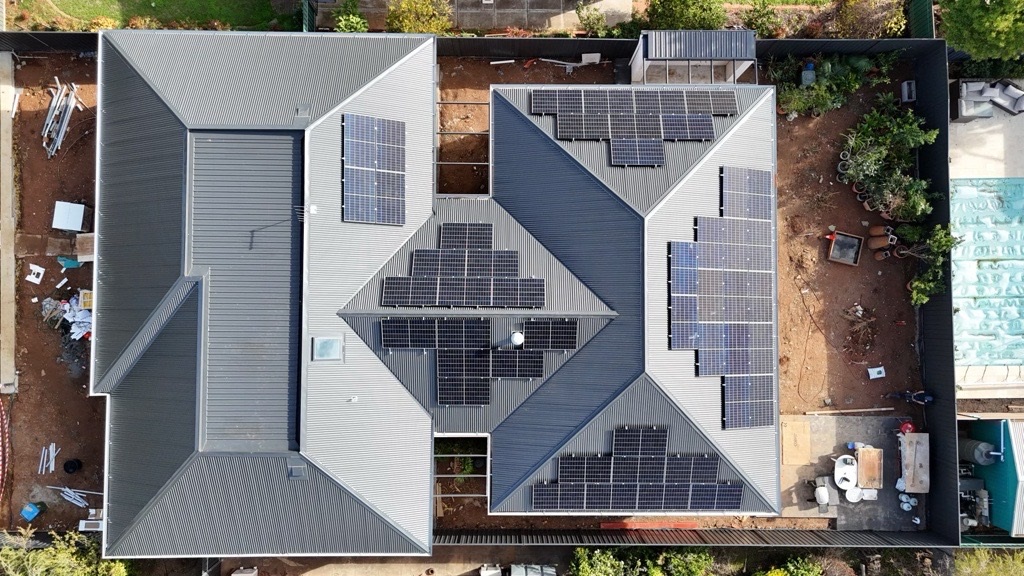
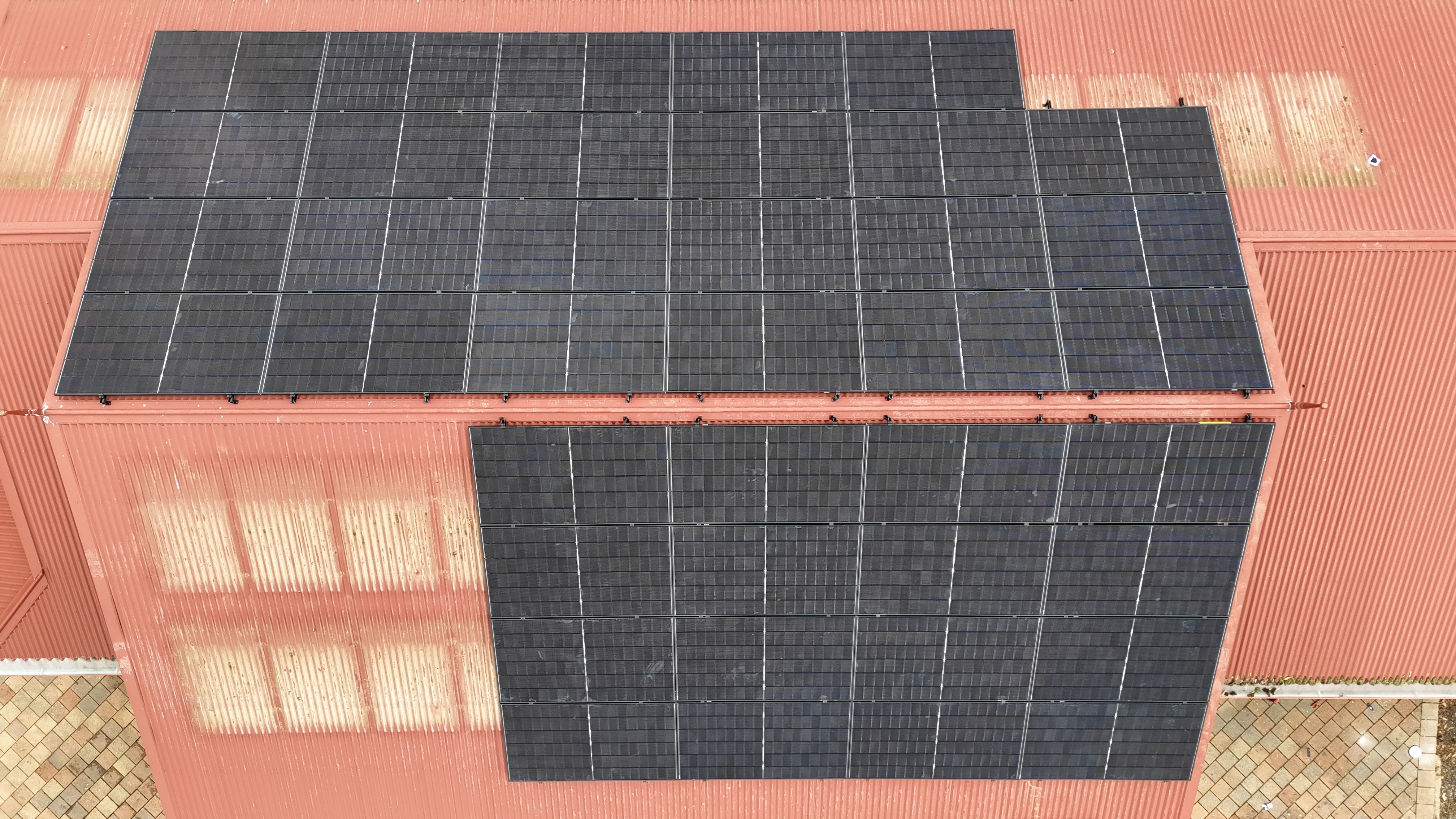
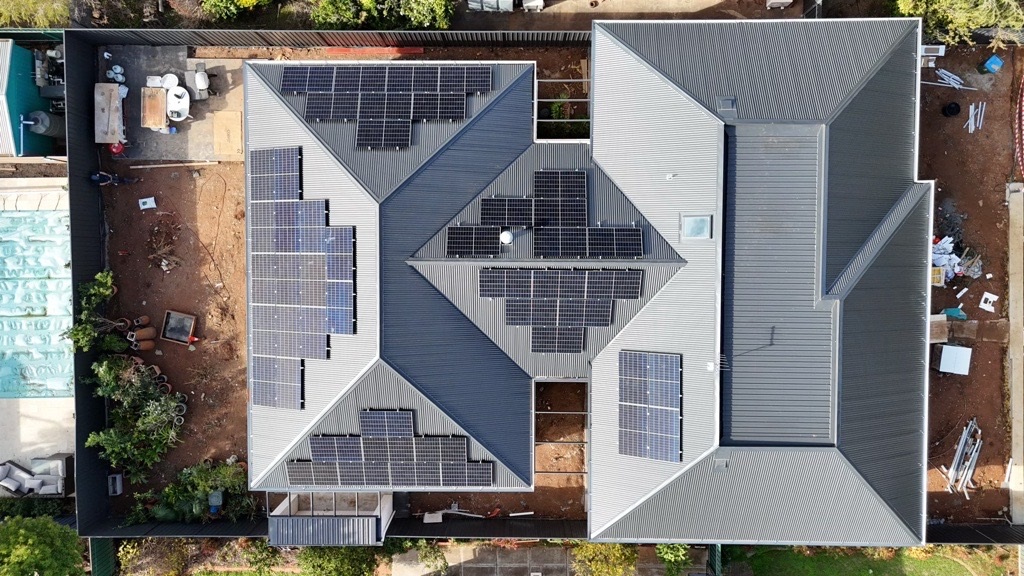
Homes with rooftop solar have an additional benefit. Many free electricity periods align with strong daytime solar production. This creates a double advantage:
- You use your own solar energy first
- Any extra usage during free periods costs nothing
This combination can significantly reduce grid reliance and maximise savings. Solar monitoring apps also help you see exactly when your system is producing the most energy, making it easier to schedule usage effectively.
Avoiding Common Scheduling Mistakes
Smart scheduling only works if you understand your plan. Some homeowners accidentally exceed caps or use high-energy appliances outside the free window, cancelling out savings.
Common mistakes include:
- Running multiple high-load appliances at the same time
- Forgetting to adjust schedules when seasons change
- Ignoring higher rates outside free periods
- Not monitoring overall usage
Checking your energy bill and usage data regularly helps ensure your strategy is working.
The Long-Term Benefit of Smart Energy Habits
Smart scheduling isn’t just about beating free electricity caps — it’s about building long-term energy awareness. As electricity pricing evolves, flexible households will always have the advantage.
By learning when and how to use energy efficiently, you can:
- Lower power bills year-round
- Reduce peak demand charges
- Make better use of solar
- Prepare for future smart tariffs
These habits future-proof your home against rising energy costs.
AR Energy — Helping You Use Energy Smarter
At AR Energy, we help Australian homeowners get more from their energy systems. From solar monitoring and system optimisation to advice on energy usage patterns, our team supports smarter, more efficient homes.
By understanding how your system performs and when to use power, you can unlock the full benefit of both your solar investment and your electricity plan.
Final Thoughts
Free electricity plans can offer real savings — but only if you use them strategically. Smart scheduling allows you to shift flexible energy use into free periods, avoid costly peak charges, and reduce overall bills.
By combining good timing, simple automation, and an understanding of your energy plan, you can stay ahead of usage caps and make your home more energy-efficient all year round.
Contributors
.jpg)

Ready to make the switch to sustainable enegery?
Contact AR Energy for a free consultation and start your journey towards energy independence today!