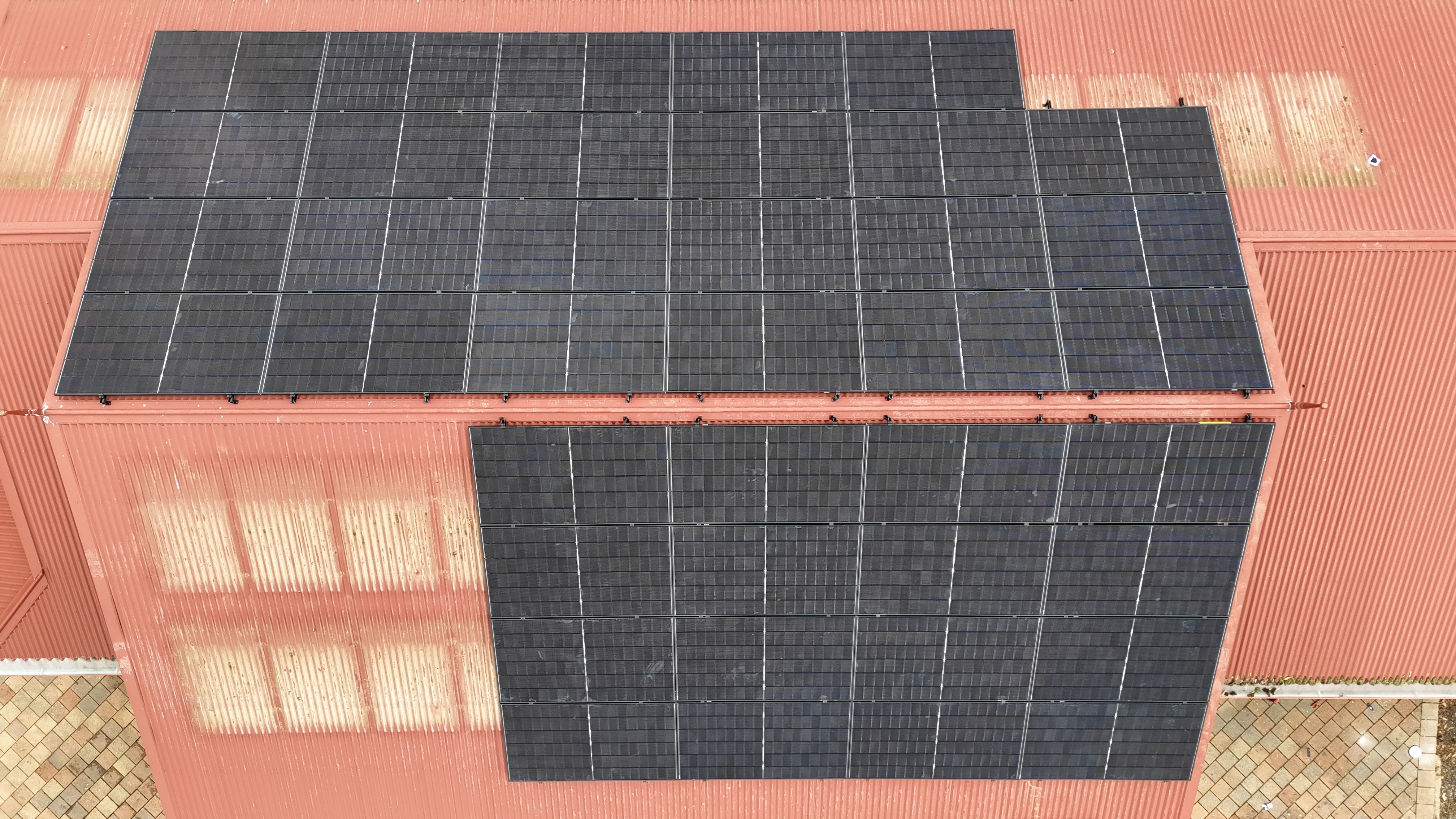
What Size Solar System Do You Need for Your Adelaide Home in 2026
Choosing the right solar system size is one of the most important decisions you’ll make when switching to solar. Too small, and you may still rely heavily on grid electricity. Too large, and you could pay more upfront for energy you don’t necessarily use.
For Adelaide homeowners, the right choice depends on more than simply the number of people living in the house. Your electricity consumption, roof space, panel orientation, daytime energy usage, battery plans and future needs all matter.
So, what solar system size Adelaide homeowners should choose in 2026? Let’s break it down.
Why Adelaide Is a Great Place for Residential Solar
South Australia has one of Australia’s highest levels of rooftop solar adoption. Government data shows that more than 40% of South Australian homes had rooftop solar installed by 2023, demonstrating just how popular residential solar has become across the state.
Adelaide’s strong solar resource also makes rooftop solar an attractive option for homeowners looking to reduce their dependence on grid electricity.
However, installing solar isn't simply about putting as many panels as possible on your roof. The goal is to design a system that matches how your household actually consumes electricity.
What Does Solar System Size Mean?
Solar system size is generally measured in kilowatts (kW). It refers to the maximum capacity of the solar panels to generate electricity under standard test conditions.
For example:
- A 6.6kW system has approximately 6.6kW of panel capacity.
- A 10kW system has approximately 10kW of panel capacity.
- A 13kW system has approximately 13kW of panel capacity.
The number of panels depends on the wattage of the panels selected. For example, a 6.6kW system could contain around 15 panels if using 440W panels.
The actual amount of electricity generated will vary depending on sunlight, roof orientation, shading, panel efficiency, weather and system design.
6.6kW vs 10kW vs 13kW: Which Is Best?
There is no single system size that is perfect for every Adelaide household. However, comparing these three options can help you understand where each may fit.
6.6kW Solar System
A 6.6kW system can be a practical option for smaller or moderate-energy households.
It may suit homeowners who:
- Have relatively moderate electricity consumption
- Have limited roof space
- Mainly want to reduce daytime electricity usage
- Are working within a specific budget
- Don't have major future electricity loads planned
However, if your household uses significant electricity from air conditioning, pool equipment, electric hot water, an EV or other high-energy appliances, 6.6kW may not provide enough generation to meet your longer-term needs.
10kW Solar System
A 10kW system can make sense for a larger household with higher electricity consumption.
It may be worth considering if you:
- Have several high-energy appliances
- Work from home
- Use air conditioning regularly
- Have an electric hot-water system
- Own or plan to buy an EV
- Want to generate more electricity during the day
- Are considering adding a battery
A larger system can also provide more flexibility as your household's electricity needs change.
13kW Solar System
A 13kW system is generally more appropriate for homes with substantial electricity consumption or significant future energy requirements.
For example, you may want to consider a larger system if your home has:
- Multiple air conditioners
- A swimming pool
- Electric hot water
- An EV or multiple EVs
- A home battery
- High daytime electricity consumption
- Plans for additional electrification
However, bigger isn't automatically better. A 13kW system needs sufficient roof space and should be assessed against your actual energy consumption and network requirements.
How to Choose the Right Solar System Size in Adelaide
1. Look at Your Electricity Usage
Your electricity bills are one of the best starting points.
Look at your historical electricity consumption and identify your average daily usage in kWh. Don't rely on a single bill if you can access a full year's data because household consumption changes throughout the seasons.
For example, your summer electricity consumption may increase significantly because of air conditioning.
2. Consider When You Use Electricity
Two households can consume the same amount of electricity but benefit from different solar system designs.
If you use most of your electricity during the day, solar generation can directly power appliances while the panels are producing electricity.
If most of your electricity consumption happens at night, you may benefit from considering battery storage alongside an appropriately sized solar system.
Solar feed-in tariffs can provide credits for electricity exported to the grid, but the value depends on your electricity retailer and plan. The South Australian Government recommends considering relevant energy costs and feed-in tariffs when assessing the economics of a solar investment.
3. Check Your Roof Space and Orientation
Your roof can place practical limits on system size.
An installer should assess:
- Available roof space
- Roof orientation
- Roof pitch
- Shading from trees and nearby buildings
- Chimneys and other obstructions
- Panel layout
- Inverter location
- Switchboard configuration
A larger system isn't useful if the available roof space has significant shading or isn't suitable for installing additional panels.
4. Think About Your Future Energy Needs
Don't design your system only around today's electricity usage.
Are you planning to buy an electric vehicle? Add a pool? Replace gas appliances with electric alternatives? Install a heat pump? Work from home more often?
These changes can increase your electricity consumption.
Planning ahead can help prevent the need for another major solar upgrade later.
Should You Add a Battery to Your Residential Solar System?
Solar panels generate electricity during daylight hours, while many households continue using electricity after the sun goes down.
A battery can store some of your excess solar generation for later use. South Australia also has a growing network of homes participating in virtual power plants, where connected batteries can operate together as a larger energy resource.
However, a battery isn't automatically necessary for every household.
The right approach is to assess your electricity usage, solar generation, export arrangements and energy goals before deciding whether battery storage makes financial sense.
It's also important to check current incentives rather than assuming an old rebate still applies. For example, South Australia's previous Home Battery Scheme is now closed to new applications.
Why Bigger Isn't Always Better
It can be tempting to choose the largest system that fits your roof. But solar system sizing should be based on your household's energy profile rather than panel count alone.
A properly designed system should balance:
- Electricity consumption
- Daytime versus nighttime usage
- Roof space
- Shading
- Solar generation
- Export arrangements
- Battery plans
- Future energy requirements
- Budget
AR Energy's own system-sizing guidance highlights that factors such as roof space, inverter and battery locations, cable size, switchboard configuration, network requirements, household load profile and future appliances should all be considered when designing a residential system.
What Solar System Size Is Right for Your Adelaide Home?
There is no universal answer to whether you need 6.6kW, 10kW or 13kW.
A smaller household with moderate electricity consumption may find a 6.6kW system perfectly suitable. A family with higher consumption and several energy-intensive appliances may benefit from 10kW. Larger homes with high electricity demand, EV charging and battery storage may need something closer to 13kW or more.
The most important thing is to avoid choosing a system based purely on a package advertised online.
Instead, start with your electricity bills, understand your current and future energy needs, assess your roof and get a professionally designed system.
Residential Solar Adelaide: Get the Size Right From the Start
Investing in residential solar Adelaide homeowners can rely on is a long-term decision. The system you install today could continue producing electricity for decades, so getting the design right matters.
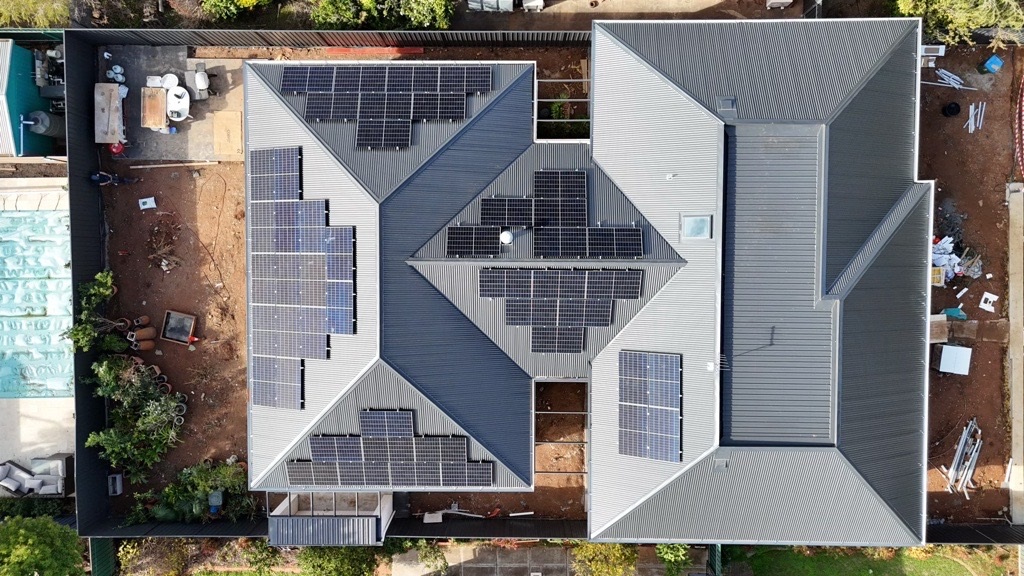
A good solar installer should assess your home rather than simply recommend a standard package. AR Energy- Best Solar Company Adelaide, for example, provides customised residential solar solutions based on household energy requirements, site conditions and future energy needs.
If you're unsure whether 6.6kW, 10kW or 13kW is right for your Adelaide home, reviewing your electricity usage with a qualified solar professional is the best place to start.
FAQs
Is a 10kW solar system good for an Adelaide home?
A 10kW system can be a good option for households with higher electricity consumption, particularly where air conditioning, electric hot water, pool equipment or EV charging increases demand.
How do I calculate the right solar system size?
Start by reviewing your electricity consumption in kWh, then consider when you use electricity, your roof space and orientation, shading, future appliances, battery plans and network requirements. A professional system assessment can then determine the most suitable size.
How do I calculate the right solar system size?
Start by reviewing your electricity consumption in kWh, then consider when you use electricity, your roof space and orientation, shading, future appliances, battery plans and network requirements. A professional system assessment can then determine the most suitable size.
Contributors
.jpg)

Ready to make the switch to sustainable enegery?
Contact AR Energy for a free consultation and start your journey towards energy independence today!