How To Get Solar Panels On A Heritage Home – Complete Guide
Owning a heritage home in Australia comes with character, charm, and history — but it can also come with strict rules when it comes to renovations and upgrades.
If you’re wondering whether you can install solar panels on a heritage-listed property, the short answer is: yes, in many cases you can. But the process is usually more detailed than a standard installation.
With energy prices rising and sustainability becoming more important, many homeowners of heritage properties are exploring solar as a way to reduce costs while preserving their home’s historic value. Here’s a complete guide to help you understand what’s involved.
What Is a Heritage-Listed Home?
In Australia, a home may be heritage-listed at a local, state, or national level. Heritage listing means the property has historical, architectural, or cultural significance and is protected under planning laws.
This doesn’t automatically prevent solar installation — but it does mean additional approvals may be required.
Before planning your solar project, confirm whether your property is:
- Individually heritage-listed
- Located in a heritage conservation area
- Subject to local council restrictions
Your local council website is usually the best starting point.
Can You Install Solar Panels on a Heritage Home?
In many cases, yes — but approval depends on how visible the system will be and whether it affects the building’s historic appearance.
Planning authorities generally aim to:
- Preserve the home’s street-facing aesthetic
- Protect architectural features
- Ensure alterations are reversible where possible
Solar systems that are discreet, thoughtfully designed, and minimally visible from the street are often more likely to be approved.
Step 1: Check Local Council Requirements
Each council in Australia may have slightly different guidelines. Some councils allow solar installation on heritage homes without development approval if certain conditions are met. Others require formal assessment.
You may need:
- Development approval (DA)
- Heritage impact statement
- Supporting documentation from a qualified installer
Before installing anything, it’s essential to confirm requirements with your local authority.
Step 2: Choose the Right Solar Design
Design plays a major role in gaining approval. The goal is to minimise visual impact while maintaining strong performance.
Common design strategies include:
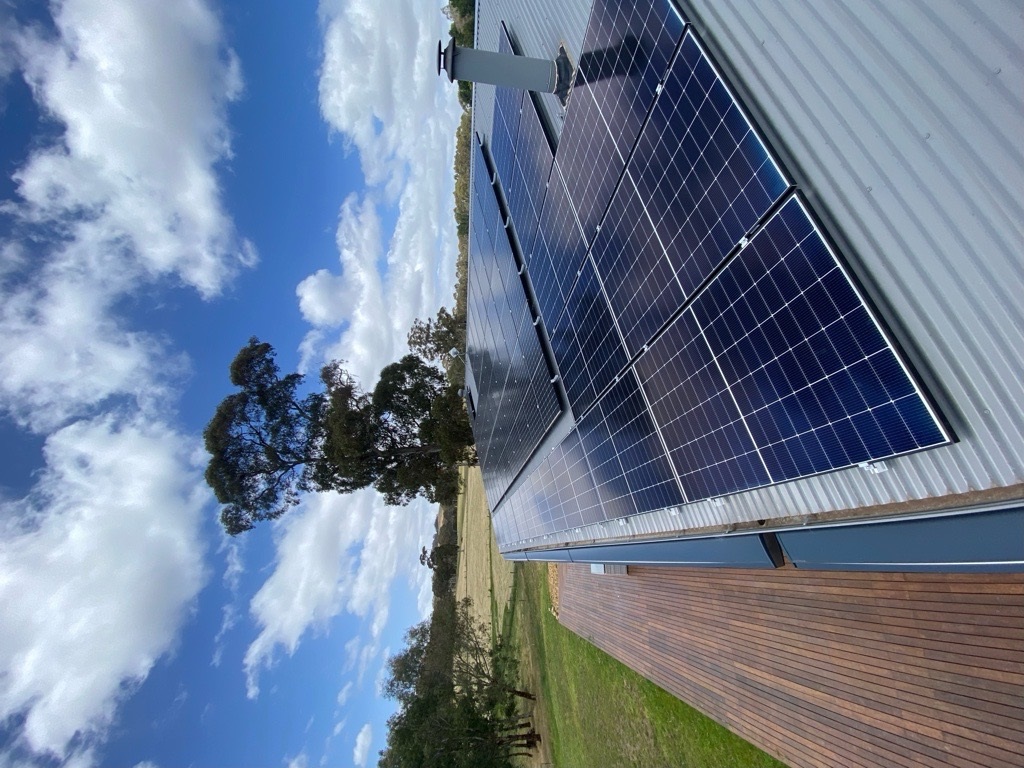
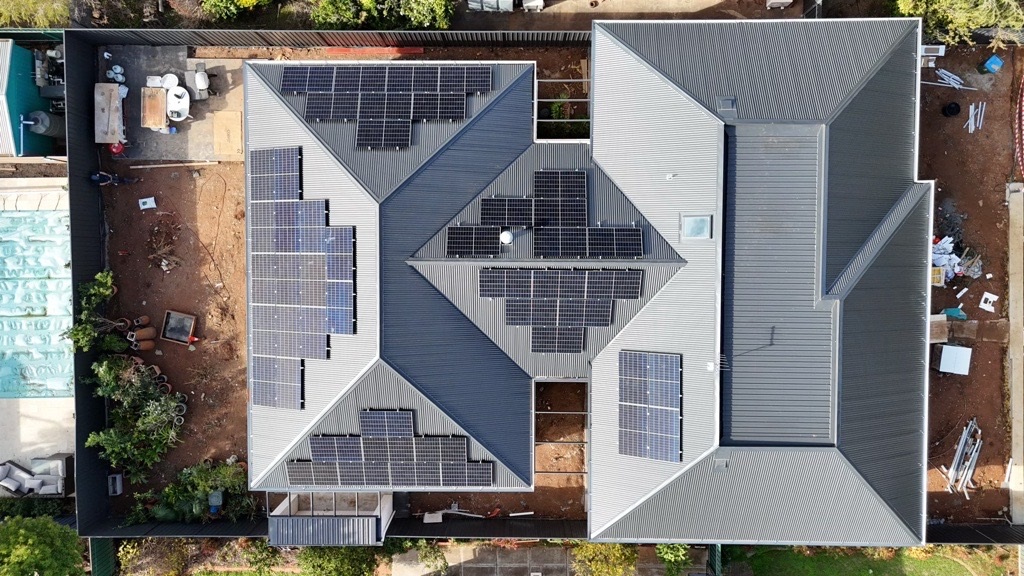
- Installing solar panels on rear-facing roof sections
- Positioning panels on less visible roof slopes
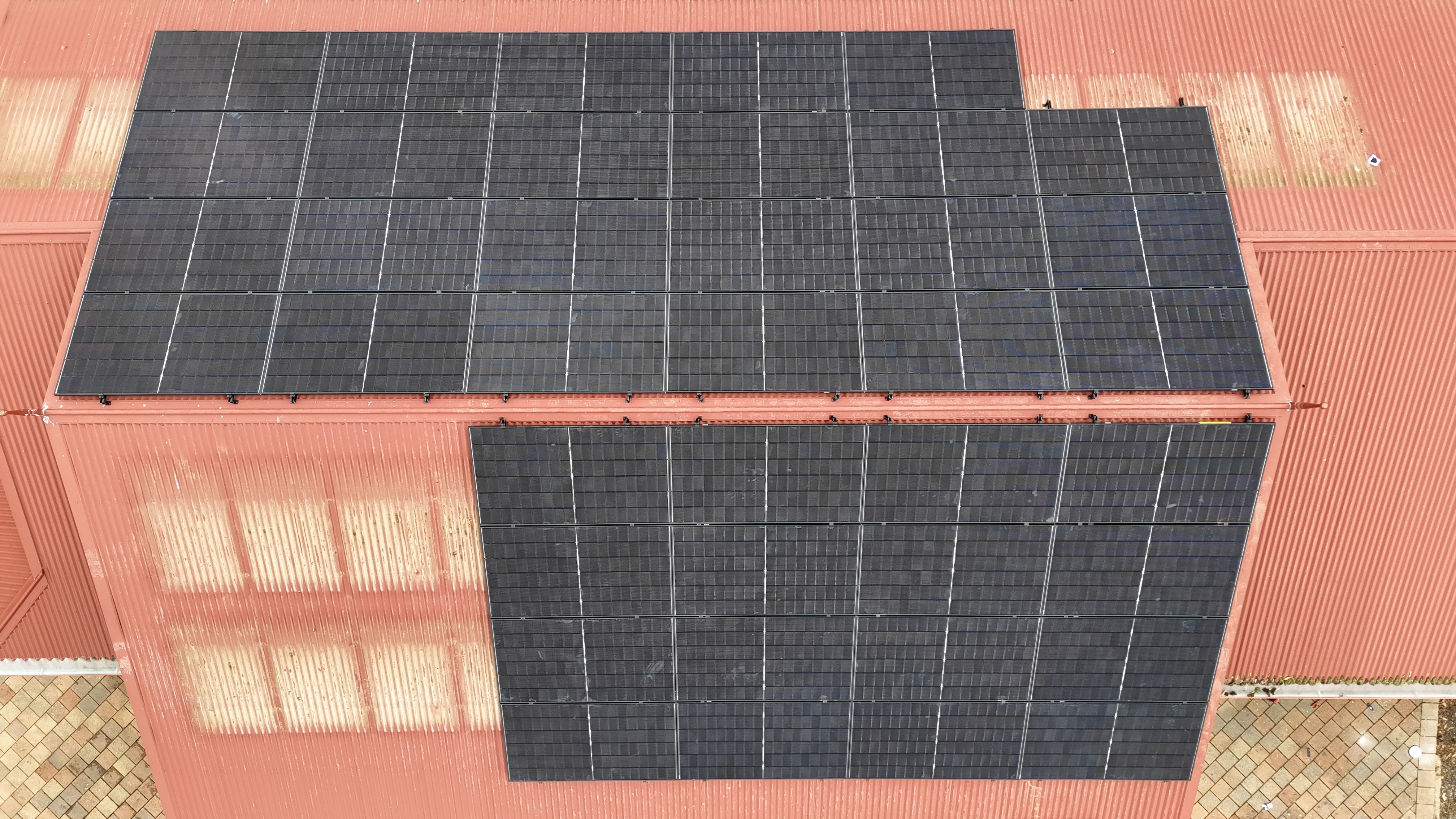
- Using black frames and low-profile mounting systems
- Avoiding installation on prominent street-facing facades
In some cases, ground-mounted solar systems in the backyard may also be considered if roof placement is restricted.
Step 3: Work With an Experienced Installer
Installing solar on a heritage property requires careful planning. An experienced installer will:
- Assess roof structure and materials
- Identify discreet placement options
- Provide detailed system drawings
- Assist with council documentation
- Ensure mounting does not damage historic roofing
Professional expertise increases the likelihood of approval and ensures the integrity of the home is protected.
Step 4: Understand Structural Considerations
Heritage homes often have older roof structures and materials such as slate, terracotta, or corrugated iron. These materials require careful handling.
A qualified installer should evaluate:
- Roof condition
- Load-bearing capacity
- Waterproofing integrity
- Existing wiring safety
In some cases, minor roof repairs may be recommended before installation.
Step 5: Explore Alternative Solar Options
If roof installation is heavily restricted, you may still have options.
Alternatives include:
- Rear-mounted panels not visible from the street
- Ground-mounted systems
- Solar pergolas or carports
- Shared or community solar schemes
The right solution depends on available space and local regulations.
Balancing Heritage Preservation and Sustainability
Some homeowners worry that solar panels may conflict with heritage preservation. However, many councils recognise the importance of improving energy efficiency and reducing emissions.
In fact, integrating solar into heritage properties supports long-term sustainability without compromising historic value — when done thoughtfully.
Sensitive design allows homeowners to preserve architectural character while lowering energy costs.
Will Solar Add Value to a Heritage Home?
Energy efficiency is becoming increasingly important to buyers. A well-installed solar system can:
- Reduce ongoing electricity costs
- Improve sustainability appeal
- Enhance market attractiveness
As long as installation respects heritage guidelines, it can strengthen the home’s long-term value.
Common Challenges and How to Overcome Them
Visual Impact Concerns
Solution: Choose discreet placement and low-profile systems.
Council Approval Delays
Solution: Prepare thorough documentation and engage experienced professionals.
Structural Limitations
Solution: Conduct proper roof inspections and consider alternative mounting methods.
Planning carefully from the start reduces stress and speeds up the process.
AR Energy — Helping Heritage Homes Go Solar the Right Way
At AR Energy- best solar company in Adelaide, we understand the unique requirements of heritage properties across Australia. Our team works closely with homeowners to design solar systems that respect architectural integrity while delivering modern energy performance.
From council documentation to careful installation, AR Energy ensures your heritage home can benefit from clean energy without compromising its historic charm.
Final Thoughts
Installing solar panels on a heritage home in Australia is possible — but it requires thoughtful planning and the right expertise. By understanding local regulations, prioritising discreet design, and working with experienced professionals, homeowners can successfully integrate solar without sacrificing character.
Heritage homes represent Australia’s history. With careful solar installation, they can also represent its sustainable future.
FAQs
1. Can you install solar panels on a heritage-listed home in Australia?
Yes, solar panels can often be installed on heritage-listed homes in Australia, but approval requirements vary depending on your local council and heritage overlay rules. In many cases, homeowners can still install solar systems by using low-profile panels, placing them on less visible roof sections, or using alternative mounting solutions that preserve the property’s original appearance.
2. Do heritage homes need council approval before installing solar panels?
Most heritage homes require council or heritage authority approval before solar installation begins. The approval process usually considers roof visibility, panel placement, street-facing aesthetics, and the overall impact on the home’s historical character. Working with an experienced solar installer can help simplify the approval process and ensure compliance with local heritage guidelines.
3. What are the best solar panel options for heritage properties?
The best solar options for heritage homes are systems designed to blend with the property’s architecture while maintaining energy efficiency. Popular choices include all-black solar panels, low-profile mounting systems, and rear-roof installations that reduce street visibility. A customised solar design can help heritage homeowners lower electricity costs without compromising the home’s visual appeal.
Contributors
.jpg)

Ready to make the switch to sustainable enegery?
Contact AR Energy for a free consultation and start your journey towards energy independence today!