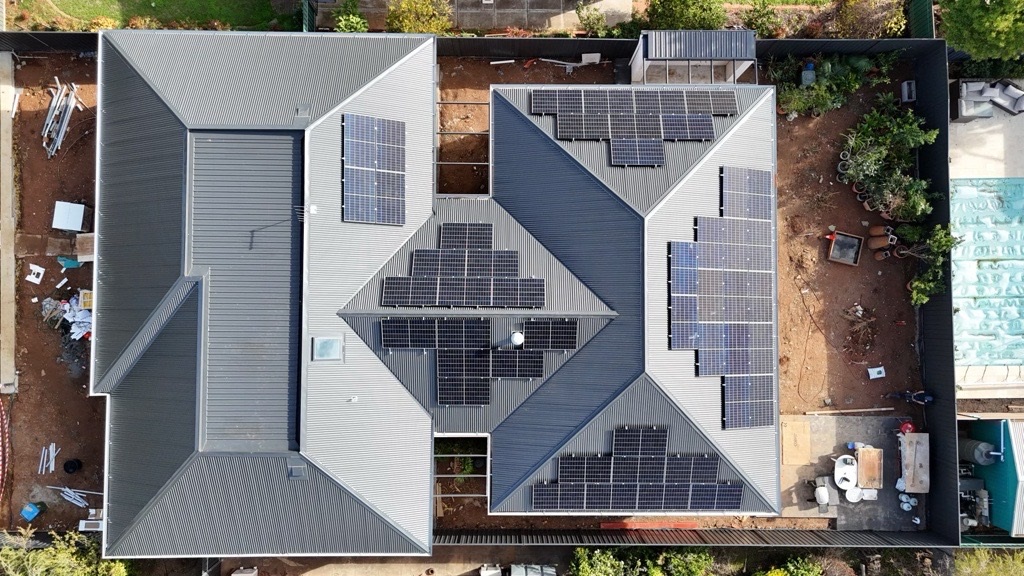
How AI and Smart Tech Are Revolutionising Solar Power Systems
Australia’s love for solar power is stronger than ever. With over 3.7 million rooftop solar systems installed across the country, renewable energy has moved from an environmental choice to an economic one. But the next leap in solar isn’t just about better panels — it’s about smart technology and artificial intelligence (AI).
AI and smart systems are now reshaping how solar power is generated, stored, and managed, making energy smarter, cleaner, and more efficient than ever before.
Let’s explore how AI is revolutionising solar power systems in Australia and what this means for homeowners, businesses, and the nation’s clean energy future.
The Shift Toward Smarter Solar
Traditional solar systems rely on sunlight hitting panels, converting energy into electricity, and feeding it into your home or the grid. While this process is efficient, it doesn’t always account for changing energy patterns, weather conditions, or peak usage times.
That’s where AI and smart technology come in. They enable solar systems to learn, predict, and optimise energy production and consumption automatically.
Imagine your solar system analysing your household’s energy use, predicting tomorrow’s weather, and deciding when to store, use, or export energy — all without you lifting a finger. That’s the power of smart solar.
How AI Works in Solar Power Systems
AI in solar power systems uses real-time data, machine learning, and predictive algorithms to optimise every aspect of energy generation and consumption.
Here’s how it works:
1. Smart Monitoring and Data Analysis
AI-powered systems continuously monitor factors such as sunlight intensity, panel temperature, and inverter efficiency. This helps detect any performance drops immediately.
For example, if one panel underperforms due to shading or dust, the system identifies it and alerts the user — preventing energy loss and costly downtime.
2. Energy Production Forecasting
Using weather data, AI can predict solar generation for the coming days. If cloudy weather is expected, it can adjust the energy storage strategy, ensuring your home or business has enough power available when sunlight is limited.
3. Optimising Energy Usage
AI learns your daily energy habits — when you use appliances, charge your EV, or run air conditioning — and automatically shifts consumption to times when solar production is highest. This reduces grid reliance and maximises self-consumption.
4. Predictive Maintenance
Instead of waiting for faults to occur, AI systems use predictive analytics to detect potential issues before they cause problems. This ensures solar power systems operate at peak performance and reduces long-term maintenance costs.
The Role of Smart Tech in Solar Power Systems
AI isn’t working alone — it’s supported by an ecosystem of smart technologies that bring efficiency, automation, and connectivity to solar power systems.
1. Smart Inverters
Modern inverters do more than convert DC power to AC. They act as the “brains” of the solar system, communicating with AI platforms and enabling two-way energy flow — between your solar panels, battery, home, and even the grid.
These inverters can prioritise solar energy during the day, switch to battery power at night, or sell excess energy back to the grid when demand is high.
2. Solar Batteries with Smart Management
AI-driven batteries, such as the Tesla Powerwall or Sungrow SBR series, can predict usage and optimise charge and discharge cycles for efficiency and longevity.
This means you’re not just storing energy — you’re using it intelligently.
3. Smart Meters and Apps
Smart meters and solar monitoring apps give homeowners and businesses real-time insights into energy generation and consumption. Through AI integration, they can also suggest ways to reduce waste and increase savings automatically.
Benefits of AI and Smart Tech for Solar Users
The combination of AI and smart technology is transforming how Australians experience solar power — offering benefits far beyond basic energy generation.
1. Higher Efficiency and Output
AI maximises solar performance by analysing thousands of data points every second. Even a small efficiency gain of 5–10% can make a big difference in long-term savings.
2. Reduced Energy Bills
By automatically managing when and how your solar power is used, AI helps you consume more of your self-generated electricity — meaning less dependence on the grid and lower bills.
3. Fewer Breakdowns and Downtime
Predictive maintenance ensures potential problems are caught early, reducing system downtime and extending the life of your panels and inverter.
4. Improved Battery Performance
AI optimises battery storage cycles, ensuring you use energy when it’s cheapest or most efficient — ideal for households with time-of-use electricity tariffs.
5. Sustainability at Scale
On a larger level, AI helps balance solar production across Australia’s grid. Smart systems can coordinate when energy is stored, shared, or sold, helping stabilise renewable power integration nationwide.
How AI Is Transforming Commercial Solar Power Systems
For Australian businesses, smart solar technology is a game-changer.
AI-powered commercial solar power systems enable companies to:
- Predict energy demand across facilities.
- Optimise battery storage and reduce peak-hour grid usage.
- Integrate EV charging and smart building management systems.
- Generate detailed performance reports for ESG and sustainability reporting.
By combining solar power with automation and data analytics, businesses can achieve greater efficiency, lower operational costs, and stronger sustainability credentials.
The Future of Solar Power in Australia
AI is already revolutionising solar energy — but the future looks even brighter.
Emerging innovations like blockchain energy trading, virtual power plants (VPPs), and AI-driven grid management are set to make renewable energy systems more connected, reliable, and profitable.
Soon, households and businesses won’t just generate solar power — they’ll participate in smart energy networks that buy, sell, and share electricity autonomously.
AR Energy — Bringing Smart Solar to Australian Homes and Businesses
At AR Energy, we combine cutting-edge solar technology with intelligent monitoring systems to help Australians harness the full potential of clean energy.
Our advanced solar power systems are designed for maximum efficiency, reliability, and long-term savings — whether you’re a homeowner or a commercial operator.
From advanced smart inverters to predictive maintenance tools, AR Energy ensures your solar system stays ahead of the curve — delivering performance you can count on, every day.
Power smarter, live greener, and make the switch with AR Energy — your trusted partner in the future of solar power.
Final Thoughts
AI and smart technology are redefining what solar can do. They’re not just making systems more efficient — they’re making them intelligent, adaptable, and future-ready.
As Australia continues its renewable energy journey, solar power systems enhanced by AI will lead the way — providing homes and businesses with cleaner, cheaper, and smarter energy for decades to come.
Faqs
How does AI improve the performance of solar power systems?
AI improves solar power systems by analysing real-time data such as weather conditions, energy usage patterns, and solar generation levels. It can automatically optimise energy production, detect faults early, and improve battery charging and discharging cycles, helping homeowners maximise efficiency and reduce electricity costs.
Can smart solar technology help reduce electricity bills?
Yes. Smart solar technology uses AI-powered monitoring and energy management tools to ensure solar energy is used when it delivers the greatest value. By intelligently managing battery storage, household consumption, and grid exports, smart solar systems can significantly reduce reliance on grid electricity and lower energy bills.
AI-powered solar technology worth it for Australian homeowners?
For many Australian homeowners, AI-powered solar technology can provide long-term benefits through improved system efficiency, predictive maintenance, and better energy management. As electricity prices continue to fluctuate, smart solar solutions help households gain greater control over their energy usage while maximising returns from their solar investment.
Contributors


Ready to make the switch to sustainable enegery?
Contact AR Energy for a free consultation and start your journey towards energy independence today!